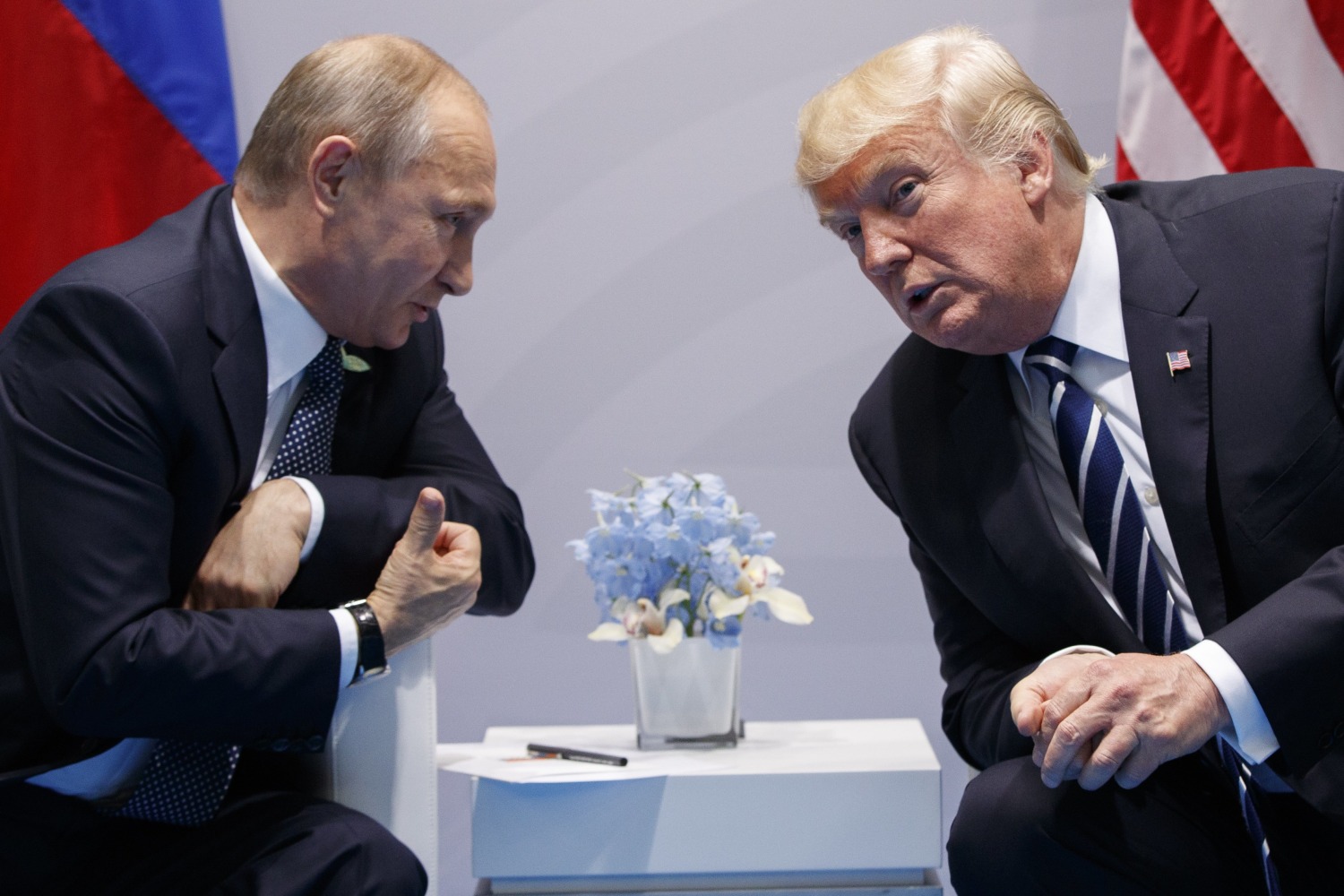

The relationship between the former President of the United States, Donald Trump, and the Russian President, Vladimir Putin, has been a central topic in global politics for a considerable time. During years past, Trump’s posture concerning Russia garnered a mixture of critique and commendation, with numerous analysts highlighting his notably amiable stance towards Putin despite challenging geopolitical events. Nonetheless, Trump’s recent remarks indicate a significant transformation in this dynamic, prompting inquiries regarding the possible effects on U.S.-Russia interactions, international diplomacy, and the wider global landscape.
Trump’s recent remarks, which have been interpreted as a clear departure from his previously favorable stance on Putin, have caught the attention of both political analysts and world leaders. This unexpected pivot comes at a time when Russia remains embroiled in ongoing international controversies, including the war in Ukraine, allegations of election interference, and heightened tensions with Western powers. Trump’s public criticism of Putin marks a significant change in rhetoric that could influence both domestic politics and foreign policy discussions in the months ahead.
During his time in office, Trump frequently seemed hesitant to directly challenge Putin or openly hold Russia responsible for actions considered aggressive by Western partners. While his administration’s strategies were occasionally stricter on Russia than his own statements implied, the image of Trump as lenient towards Moscow lingered. Consequently, the recent change is prominent as a significant event that might alter how both U.S. and global observers view his diplomatic heritage.
One of the key questions now emerging is what motivated this apparent reversal. Political strategists suggest that shifting public opinion, particularly in the wake of Russia’s continued aggression in Ukraine, may have prompted Trump to recalibrate his message. With the U.S. providing substantial military and financial support to Ukraine, and with bipartisan American support for Ukrainian sovereignty, maintaining a neutral or supportive tone toward Putin has become increasingly untenable for any political figure seeking national office or influence.
Additionally, as Trump positions himself for potential future political campaigns, including the possibility of another run for the presidency, distancing himself from Putin may be a strategic move to align more closely with mainstream American sentiment. Polls have shown that a majority of Americans support Ukraine in its defense against Russian invasion, and any perceived sympathy toward Moscow could prove politically damaging. By taking a tougher stance, Trump may be seeking to strengthen his appeal among undecided voters and distance himself from criticisms of being overly deferential to authoritarian leaders.
The alteration occurs against the backdrop of widespread geopolitical transformations. Russia’s international reputation has been severely damaged due to its continuous military activities and issues related to human rights. Economic sanctions, diplomatic isolation, and increasing condemnation from the international community have put Moscow in a difficult situation. Trump’s choice to express disapproval of Putin might indicate an acknowledgment of this new situation and an effort to align himself with the more favorable side of history considering the evolving global circumstances.
For the interaction between the United States and Russia, the consequences of Trump’s modified rhetoric could be intricate. Even though Trump is not currently in public office, his sway over the American political scene, especially within the Republican Party, continues to be significant. His statements might contribute to forming the party’s views on Russia and affect discussions on foreign policy, military funding, and global collaboration. If Trump returns to a position of political authority, his changing approach might indicate an openness to embrace a more forceful strategy in handling Moscow, which could potentially shift the course of the bilateral relationship.
From an international perspective, Trump’s remarks could also have ripple effects. Allies in Europe and other regions have often expressed concern about the consistency of U.S. foreign policy, particularly under Trump’s leadership. A more critical approach to Putin could reassure NATO partners and other Western allies who have sought strong American leadership in countering Russian aggression. Conversely, it could further strain any lingering channels of dialogue between Washington and Moscow, complicating diplomatic efforts to resolve conflicts or address shared global challenges.
People have observed that Trump’s remarks could be driven by both personal and political reasons. As inquiries about supposed Russian meddling in American elections and other scandals persist in overshadowing his legacy, Trump might perceive a more aggressive approach toward Putin as a method to divert attention from criticism and change the conversation about his administration’s foreign policy achievements.
Critics of Trump, however, remain skeptical of the sincerity of his shift. Some argue that his history of inconsistent messaging on foreign affairs makes it difficult to assess whether this new stance reflects a genuine change in worldview or a calculated political maneuver. Others suggest that Trump’s comments are unlikely to translate into concrete policy positions unless he returns to office, making the rhetorical shift more symbolic than substantive for the time being.
Russia’s response has been cautious yet attentive. Officials from the Kremlin, avoiding direct conflict regarding Trump’s statements, are probably watching the developments with care. Trump’s earlier cordiality with Putin was considered beneficial for diplomatic relations by Moscow, and any shift in that relationship might affect Russia’s approach in its interactions with the U.S. and other Western nations.
In the current situation involving Ukraine, Trump’s statements also have a significant symbolic impact. By openly separating himself from Putin, Trump aligns with an expanding group of international leaders who have criticized Russia’s military activities and violations of human rights. This might add to the mounting pressure on Russia, underlining the notion that its aggressive actions lack many, if any, notable supporters on the global platform.
The internal political consequences in the United States are just as important. Trump’s sway over the Republican Party suggests that his perspective on Russia might impact the party’s wider foreign policy strategy. As discussions on defense budgets, global partnerships, and diplomatic goals persist, Trump continues to be an influential figure, and his shift away from Putin might prompt changes in opinions within the party, especially among emerging political leaders trying to establish their stances.
Moreover, Trump’s recalibration may impact upcoming elections, where foreign policy and national security are likely to be key issues. Candidates from both major parties will be closely watching public reaction to Trump’s comments as they shape their own messaging on Russia, Ukraine, and America’s role in the world. For some voters, Trump’s shift may reinforce perceptions of pragmatism; for others, it may raise questions about authenticity and consistency.
As the situation continues to unfold, it is clear that Trump’s comments on Putin mark an important moment in the evolving relationship between the former president, Russia, and the broader international community. Whether this change signals a deeper transformation in Trump’s worldview or simply reflects shifting political winds remains to be seen.
Ultimately, the wider impact of Trump’s comments is found in what they disclose about the changing dynamics of political partnerships and the lasting influence of geopolitical factors in internal politics. As the world becomes more intertwined, the statements of prominent individuals—even those who are no longer in government positions—can have extensive effects. Trump’s choice to shift from his earlier friendly attitude toward Putin highlights the intricate relationship between public sentiment, political goals, and global diplomacy.
As global tensions continue and the war in Ukraine shows no signs of immediate resolution, the international community will be watching closely to see whether Trump’s remarks signal a new chapter in U.S. political attitudes toward Russia or whether they remain an isolated departure from his past rhetoric. Regardless, the conversation they have sparked underscores the lasting significance of the Trump-Putin relationship in shaping perceptions of leadership, diplomacy, and international security.