
As the United States prepares for a potential shift in trade policy under former President Donald Trump’s renewed influence, the implications for the UK’s steel sector—particularly its remaining industrial towns—are drawing increasing attention. The prospect of new or reinstated tariffs on steel imports, a central component of Trump’s broader economic agenda, has sparked fresh uncertainty across Britain’s steel-producing regions, many of which are still recovering from previous economic shocks.
The concerns stem from Trump’s persistent emphasis on “America First” trade policies, which during his presidency led to the imposition of steep tariffs on imported steel and aluminum in 2018. Framed as a national security measure under Section 232 of U.S. trade law, those tariffs disrupted international steel markets and triggered retaliatory measures from key allies, including the UK and the European Union. While some of those restrictions were softened in subsequent years, Trump has signaled a willingness to revive and expand them if elected again, potentially reigniting trade tensions.
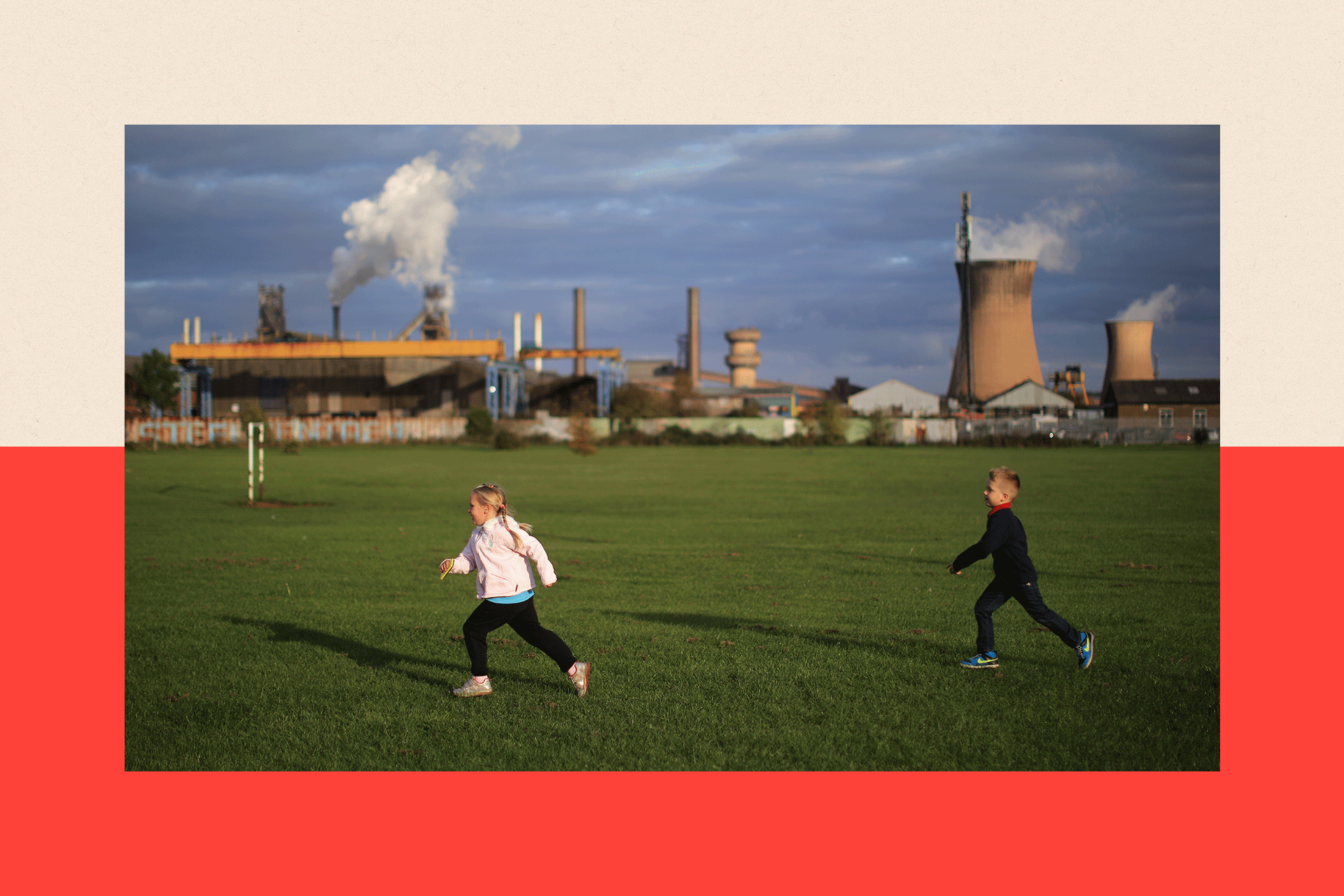
For the towns in Britain that produce steel—like Port Talbot in Wales and Scunthorpe in Lincolnshire—the impending danger holds significant importance. These areas have traditionally relied on the steel sector not just for jobs, but also for sustaining the local economy and community identity. Over the years, the industry has shrunk considerably as a result of worldwide competition, technological advancements, and evolving market needs. Nonetheless, several large-scale plants remain active, catering to the country’s construction, infrastructure, and manufacturing sectors, along with meeting international demands.
Industry experts and union leaders are currently cautioning that the U.S. reinstating tariffs might weaken the export of British steel just as firms are stabilizing. Although the volume of UK steel exports to the U.S. is relatively small compared to major exporters like China or the EU, American buyers still represent a crucial market for specific niche products made in the UK. A tariff could render these products less attractive, leading purchasers to seek other suppliers, thus increasing the pressure on operations that are already under strain.
The main concern is that trade restrictions might hasten the downfall of a sector considered vital to the UK’s industrial foundation. Although there are appeals for more investment in eco-friendly steel technologies and local production skills, numerous British steel manufacturers still function with minimal profit margins, and extra trade tensions could threaten their future sustainability. Some plants have already reduced output or declared job cuts in reaction to changing demand and energy expenses, and new trade limitations could further unsettle the industry.
For individuals and locals living in historic steel-producing towns, discussions about global trade regulations are anything but theoretical. These policies have a direct impact on job stability, business operations within the area, and the community’s social structure. Numerous communities have experienced long-term industrial decline, as the disappearance of manufacturing roles has led to broader economic difficulties, such as decreased investments, diminished wages, and restricted service availability. Within this framework, any measure—whether it be from abroad or within the country—that risks further weakening industrial job opportunities is greeted with significant apprehension.
British officials have expressed caution in response to the tariff threat, emphasizing the importance of maintaining strong economic ties with the United States. As one of the UK’s largest trading partners outside the EU, the U.S. represents a critical market for a wide array of British exports. The UK government has previously negotiated exemptions and quotas to avoid the harshest impacts of earlier U.S. tariffs, and similar diplomatic efforts are likely to be pursued again if trade restrictions return.
Nonetheless, a number of experts claim that depending on spontaneous discussions cannot replace a thorough and proactive industrial approach. They propose that the UK should not merely react to outside dangers but also actively fortify its local steel sector via creativity, funding, and contemporary facilities. This involves speeding up the transition to low-carbon steel manufacturing, enhancing the robustness of supply chains, and fostering workforce training to guarantee that upcoming employment in the field is stable and enduring.
There are also calls for closer collaboration between government, industry, and local authorities to protect communities most vulnerable to economic shocks. In many cases, steel towns have the potential to become hubs of advanced manufacturing or renewable energy production, but this transformation requires targeted support and long-term planning. Without it, they risk further decline, exacerbated by global market fluctuations and unpredictable trade policies.
Meanwhile, the political dimension of trade disputes cannot be overlooked. Trump’s rhetoric around protecting American jobs through tariffs often resonates with voters in industrial regions of the U.S., but it can have serious ripple effects on international partners. The UK, which has positioned itself as an open and cooperative trading nation in the post-Brexit era, finds itself navigating a delicate balance between fostering bilateral relationships and defending its own economic interests.
In this scenario, the destiny of the UK’s steel towns symbolizes a larger issue—how to maintain essential industries in a global market that is both interconnected and more competitive. This issue not only demands reactive solutions but also an ambitious plan for the way traditional industries can transition to new economic conditions without abandoning communities.
As policymakers and industry leaders monitor developments in U.S. trade policy, the voices from Britain’s steel towns are clear: their future should not be determined solely by decisions made across the Atlantic. Instead, it should be shaped by a shared commitment to industrial resilience, economic fairness, and a recognition of the vital role that manufacturing continues to play in national and local life.
The coming months may prove pivotal. With the potential reemergence of protectionist trade policies, the UK faces a strategic decision: how best to shield its steel industry from external shocks while laying the groundwork for long-term renewal. For the towns that have built their identities around steel, the stakes could not be higher. Their survival—and future prosperity—may depend on choices made not only in Washington, but in Westminster and beyond.