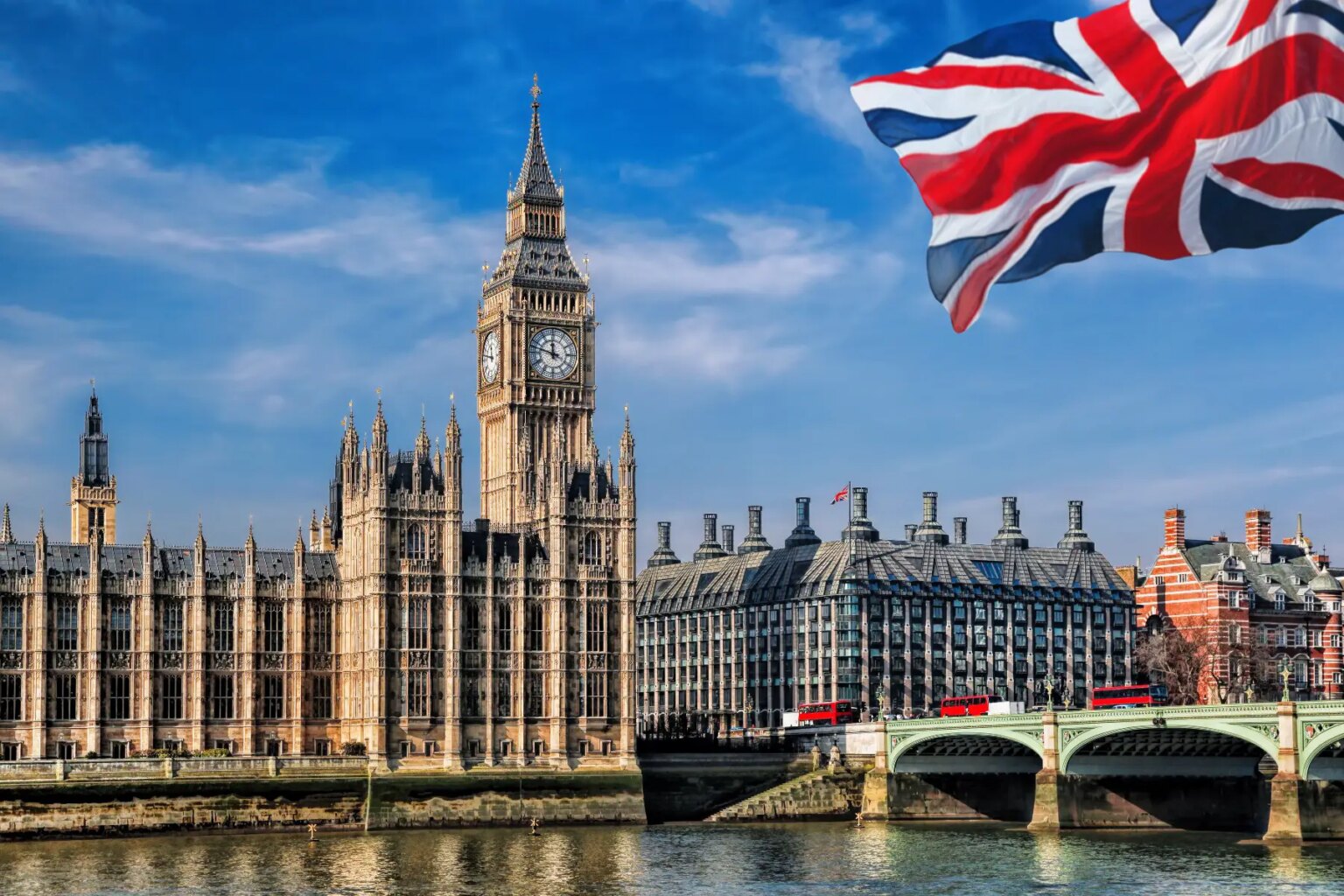

The United Kingdom’s government has confirmed that it will continue to adhere to its established fiscal framework, signaling a consistent approach to managing public finances despite growing economic challenges. The reaffirmation came from the country’s Treasury leadership, emphasizing the importance of maintaining credibility in financial policy as the nation navigates an uncertain economic landscape.
This commitment to sticking with budgetary rules comes at a time when political and financial pressures are mounting. With global markets facing volatility, inflation remaining a concern, and public services under strain, the question of how the government balances spending with fiscal discipline has come into sharp focus. In such an environment, reiterating the importance of fiscal prudence serves to reassure both domestic and international stakeholders that the country’s financial strategies remain grounded in long-term sustainability.
The government’s fiscal rules are designed to ensure that public debt does not spiral out of control and that any new spending is backed by sustainable revenue sources. These rules typically require that debt levels decline as a share of the economy over a defined period and that borrowing is kept within manageable bounds. While critics sometimes argue these guidelines can constrain investment in public services, supporters see them as essential guardrails for economic stability.
In emphasizing its position, the Treasury is conveying to financial markets that it plans to stick with its existing approach, despite demands for boosted spending on social initiatives, infrastructure, and measures to alleviate living expenses. Staying on this path is especially crucial as the nation nears the upcoming general election, a time frequently linked to increased public spending and changes in policy.
This strategy also demonstrates the government’s intention to uphold the trust of investors and avert any views of financial irresponsibility. Following recent worldwide economic disturbances, such as expenditures due to the pandemic and international tensions influencing energy costs and supply chains, governments globally have faced examination over their financial decisions. For the U.K., maintaining a firm control on the helm is regarded as crucial for maintaining economic stability and preventing the sort of market volatility that can result from unexpected policy shifts.
By adhering to its fiscal regulations, the administration aims to distinguish itself from past instances where changes in fiscal strategy led to turmoil. Being clear in economic communication can be just as crucial as the policies themselves, particularly when financial markets are alert for indications of political instability or economic regression. A robust and steady dedication to fiscal rules aids in stabilizing inflation expectations, lowering borrowing expenses, and strengthening the government’s capacity to address future economic disturbances.
Nonetheless, this stance faces some criticism. Certain individuals believe that rigid following of budget guidelines might constrain the government’s capacity to address new social and economic demands effectively. Challenges like a lack of housing, healthcare system strains, and educational financing demand significant investment, and a number of experts suggest that there ought to be more leeway in achieving fiscal goals, especially during times of economic difficulty.
Some warn that strict regulations might limit the nation’s ability to invest in future development. For example, projects related to infrastructure, green energy plans, and technological advancements usually demand initial public funding that benefits the nation in the long run. If the government excessively restrains expenditures, it might lose the chance to boost efficiency and enhance the quality of life in the coming years.
Yet despite these concerns, the Treasury’s position remains focused on the longer-term view. By reinforcing its fiscal rules, the government is attempting to build a platform for future economic resilience. Rather than reacting to short-term political pressures or shifting public sentiment, it is presenting itself as a steady steward of the economy—one that prioritizes financial sustainability and aims to avoid passing burdens onto future generations.
The economic environment adds complexity to this balancing act. Predictions of slow growth, enduring inflation in some areas, and continuous global unpredictability increase the urgency for policymakers to make decisive moves. However, they need to ensure that these measures do not compromise their fiscal trustworthiness. Achieving this balance is a key challenge in contemporary governance, particularly in developed nations such as the U.K., where there are high public expectations and limited financial flexibility.
The Treasury’s dedication also influences monetary policy. A definite and steady fiscal approach supports the efforts of the central bank, aiding in sustaining macroeconomic stability. When governments convey conflicting messages or implement expansionary strategies without explicit funding plans, it can complicate the tasks of central banks, possibly hindering attempts to manage inflation or adjust interest rates. Collaborative and transparent decision-making between fiscal and monetary bodies can thus be essential for navigating the economy successfully.
The commitment of the U.K. government to adhere to its fiscal policies communicates a clear statement about its goals during a period of economic intricacy. While discussions about the optimal way forward will persist, the focus on financial restraint indicates a wish to uphold confidence, stability, and sustained economic vitality. As the nation persists in managing both internal and external difficulties, remaining aligned with established fiscal guidelines could be crucial in maintaining trust and fortitude.