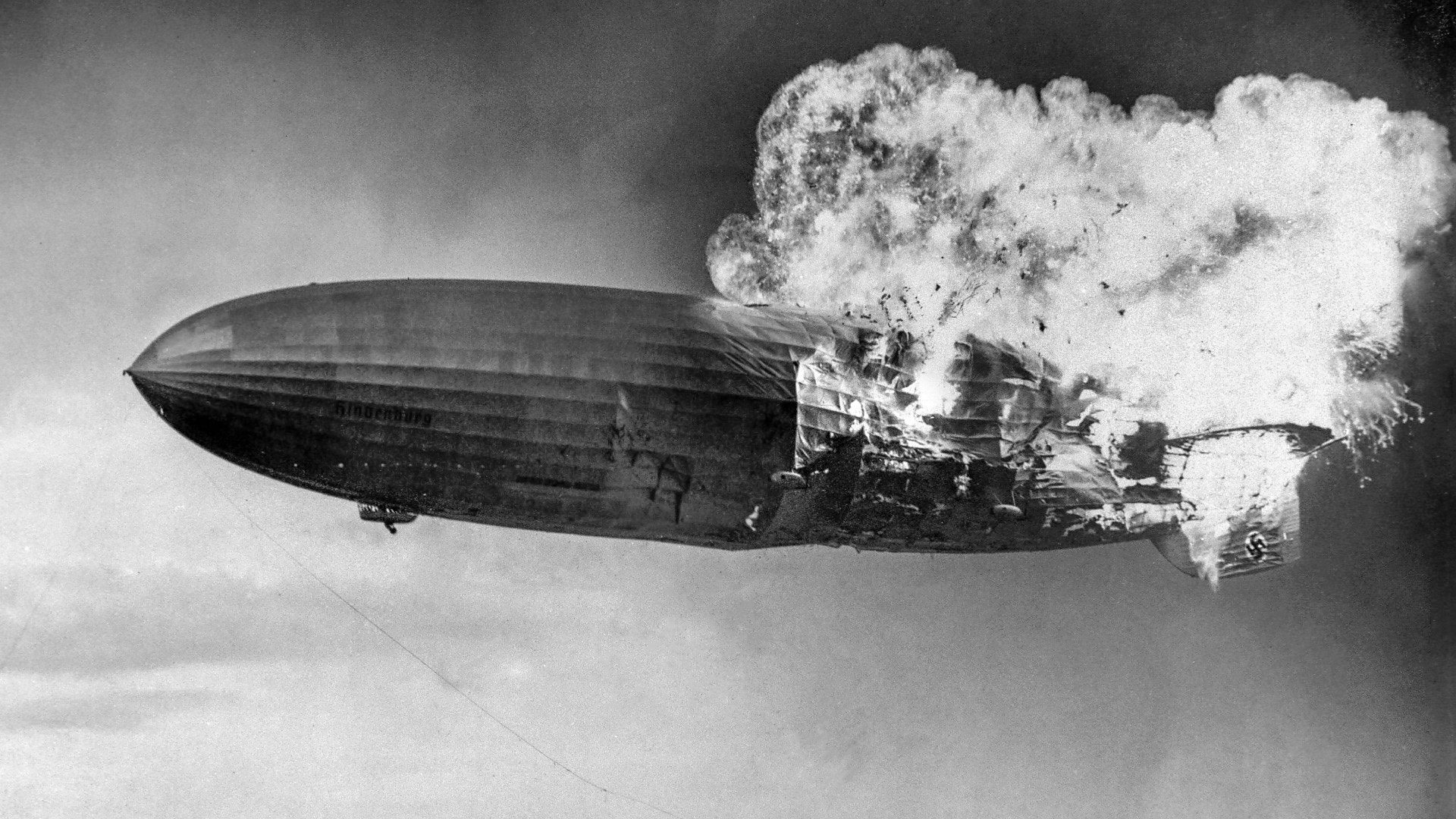

During the heated Cold War years, an undercover mission within Soviet airspace evolved into a global crisis, capturing worldwide attention and heightening the rivalry between dominant nations. On May 1, 1960, an American U-2 spy plane, with pilot Francis Gary Powers at the helm, set off on what was intended to be a standard intelligence mission flying over the Ural Mountains. The sortie, however, deviated dramatically from routine plans. It concluded in a catastrophic crash, an occurrence that would unveil the espionage efforts of the United States and result in a major diplomatic conflict. The episode served as a stark reminder of the intense stakes at play in the covert battle for dominance between the East and West.
The U-2, often referred to as the «Dragon Lady,» was a remarkable technological marvel for its era. It was engineered to soar over 70,000 feet, well beyond the reach of typical Soviet air defenses. Its mission was to capture images of military bases, missile locations, and other significant sites across the heart of the Soviet Union. These flights, sanctioned by top government officials, were vital to U.S. intelligence operations, offering insights into Soviet military strength that would otherwise be unattainable. The aircraft’s capability to fly at high altitudes served as its main protection, rendering it nearly impervious to being intercepted by Soviet fighter planes or the surface-to-air missiles available at the time.
Powers’s mission, designated «Operation Overflight,» was one of many such clandestine flights. He had taken off from a US airbase in Peshawar, Pakistan, with the goal of landing in Bodø, Norway. His flight path would take him across the vast expanse of the Soviet Union, allowing him to capture valuable images of sensitive sites, including a suspected intercontinental ballistic missile test range. The mission was going as planned until he neared the city of Sverdlovsk, now known as Yekaterinburg. It was here that the seemingly invincible U-2 met its match.
The Soviet Union’s persistence in developing countermeasures against the U-2 was relentless. For years, their air force had attempted and failed to intercept the high-flying planes. However, on this fateful day, they had a new weapon: the S-75 Dvina, a sophisticated surface-to-air missile system, code-named «SA-2 Guideline» by NATO. When Powers’s U-2 was detected on radar, Soviet commanders gave the order to fire. What followed was a complex chain of events, where multiple missiles were launched, one of which detonated near the U-2, causing it to break apart in the sky.
Powers was able to endure the blast and escape from the damaged plane. He floated down into Soviet land using a parachute, in a tense and dangerous descent that would determine his destiny. Unknown to the American authorities, who believed the U-2 would destroy itself if it crashed, Powers had survived and was held by the Soviets. The first cover story from the US, stating that the U-2 was a meteorological research aircraft that had accidentally gone off its path, was soon discredited when the Soviets showcased a disordered Powers and parts of the debris to the global press.
The capture of the pilot and the remains of the sophisticated reconnaissance aircraft was a significant propaganda triumph for the Soviet Union. Soviet Premier Nikita Khrushchev exploited the event to embarrass the United States and emphasize its aggressive and deceitful actions. The timing of this incident, just a few weeks prior to the planned summit in Paris between US President Dwight D. Eisenhower and Khrushchev, was particularly harmful. The summit, which was meant to alleviate Cold War tensions, fell apart due to the U-2 affair. Khrushchev’s public call for an apology from Eisenhower was disregarded, and the summit concluded in a tense deadlock, initiating a new phase of increased animosity.
The U-2 event significantly affected global diplomacy. It not only terminated the short-lived détente between the US and the Soviet Union but also altered espionage practices. The United States had to reevaluate its methods of intelligence gathering, which resulted in increased dependence on satellite surveillance. Powers, on the other hand, turned into a piece in a high-tension international chess game. He underwent a widely publicized judicial process, where he was convicted of spying and given a three-year prison term coupled with seven years of forced labor. Nonetheless, his hardships did not extend for the entire duration of the sentence.
In a dramatic turn of events, Powers was released in 1962 as part of a prisoner exchange. He was swapped for Soviet intelligence officer Rudolf Abel on the Glienicke Bridge, famously known as the «Bridge of Spies,» a location that has since become synonymous with Cold War intrigue. The exchange was a rare moment of cooperation in an otherwise adversarial relationship, providing a sense of closure to the U-2 incident. Powers’s return to the United States was met with a mix of suspicion and admiration. He faced intense scrutiny from the CIA and the public, with some questioning his conduct and loyalty.
Ultimately, a Senate inquiry exonerated Powers, determining that he had behaved appropriately under severe conditions. The U-2 affair and the following developments highlighted the harsh realities of espionage during the Cold War. It showed the extent to which both major powers would go to secure a strategic edge and the inherent dangers of these secret missions. The incident also emphasized the significance of maintaining deniability in intelligence operations and the severe repercussions when it is lacking.
The legacy of the U-2 incident endures, not just in historical accounts but in popular culture, where it continues to symbolize the clandestine nature of the Cold War. It represents a moment when the hidden struggle between nations was brought into the light, exposing the deception and danger that defined an era. The image of the spiraling, broken plane remains a powerful symbol of a mission gone wrong and the personal sacrifice of those involved in the shadow war.
The story of the U-2 incident is a testament to the complex web of diplomacy, technology, and human courage that characterized the Cold War. It reminds us that even in a conflict waged in the shadows, the smallest misstep can have monumental consequences. The incident stands as a crucial turning point, a moment when the world held its breath as two global giants confronted each other, not with tanks and armies, but with secrets and lies.