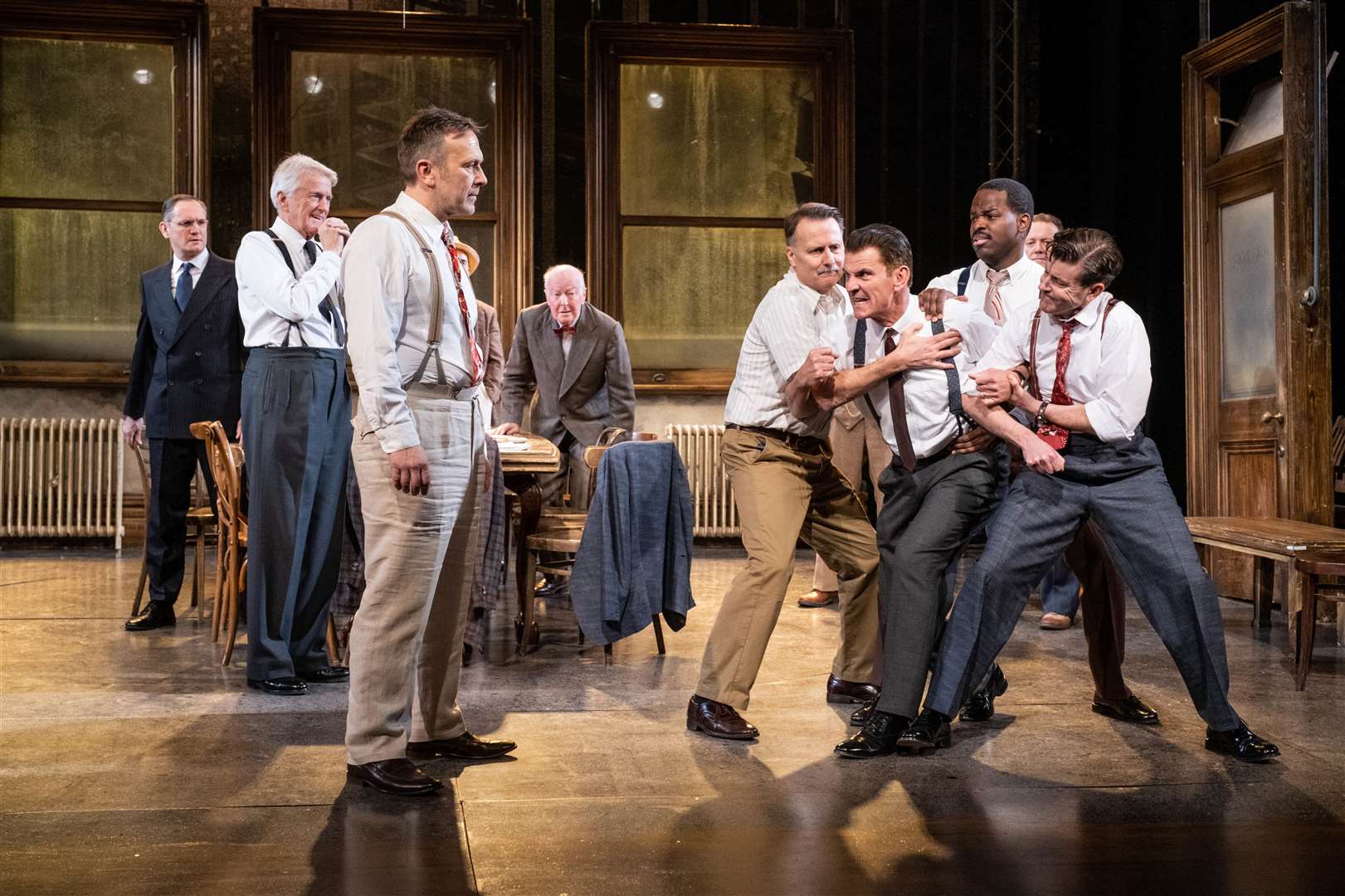

Sidney Lumet’s film 12 Angry Men, based on Reginald Rose’s teleplay, stands as a classic exploration of the American justice system and the intricate ethical issues woven into the fabric of jury deliberations. Set within the confines of a single jury room, the narrative spotlights twelve individuals tasked with delivering a unanimous verdict in a murder trial—one that will decide the fate of a young defendant. Beyond its dramatic tension, the film probes deeply into themes of moral responsibility, prejudice, justice, and the integrity of the legal process.
The Burden of Reasonable Doubt
At the narrative’s core is the principle of presuming innocence unless guilt is proven beyond a reasonable doubt. This foundational concept confronts each juror with a crucial ethical obligation: to withhold judgment until evidence compels them otherwise. Juror 8, the protagonist, embodies this ethic by insisting that the weight of a life demands meticulous scrutiny, stating, “It’s not easy to raise my hand and send a boy off to die without talking about it first.” This pronouncement does more than question the efficiency of the deliberation process—it underlines the ethical imperative to resist expediency when justice hangs in the balance.
Instances where several jurors advocate for a quick guilty verdict to return to their personal lives sharply contrast the spirit of this principle. Their actions prompt viewers to grapple with the dangers of apathy and the ethical consequences of sacrificing thoroughness for personal convenience.
Prejudice and Bias in Decision-Making
The film unflinchingly depicts how ingrained biases, whether explicit or subtle, threaten the objectivity expected of jurors. Juror 10 makes derogatory generalizations about people from slum backgrounds, suggesting that criminality is inevitable in certain environments. His assertion, “You know how these people lie. It’s born in them,” is a chilling reminder of how prejudice can cloud rational judgment.
Ethically, such bias undermines the concept of equality before the law—a cornerstone of democratic jurisprudence. The film exposes the danger when preconceived notions of race, social class, or ethnicity shape the search for truth, implicitly calling upon both viewers and participants in justice systems to vigilantly confront their own prejudices.
Group Dynamics and the Power of Dissent
12 Angry Men adeptly explores the ethical significance of independent thought in group settings. Peer pressure and the psychological drive for consensus tempt several jurors to suppress doubts or acquiesce to the majority. Juror 8’s willingness to stand alone, despite hostility and ridicule, exemplifies ethical courage—the refusal to betray one’s conscience in the face of opposition.
The film becomes a broader meditation on the ethics of dissent: Is it easier to ‘go with the flow’ or to voice inconvenient truths despite personal cost? The narrative rewards those brave enough to challenge the collective, reminding viewers of the indispensable role dissent plays in safeguarding justice.
Accountability, Ethics, and Moral Consciousness
Jurors are not merely cogs in an impersonal machine; the film insists on their status as moral agents responsible for the consequences of their decisions. Juror 7’s initial flippancy—voting based on impersonal interests or impatience—serves as a cautionary portrait of ethical negligence. In contrast, Jurors 9 and 11 depict the quiet strength of personal integrity; they choose to scrutinize evidence and question assumptions, fulfilling their duties with sober awareness of the gravity involved.
By highlighting these character differences, 12 Angry Men emphasizes the moral imperative for people in critical situations to behave thoughtfully rather than indifferently, underscoring how justice relies on individual responsibility.
Reality, Proof, and the Constraints of Human Perception
A crucial yet nuanced ethical question examined is the essence and quest for truth. The discussions reveal how eyewitness accounts and physical clues, although vital, may be compromised by mistakes or misjudgment. Juror 8’s careful analysis of the evidence emphasizes the necessity of modesty and doubt; no individual viewpoint or detail is beyond question.
Ethically, the film challenges the quest for absolute certainty in the administration of justice. The jury is forced to acknowledge that their interpretations are partial, inevitably colored by human error, and that the presumption of innocence is an ethical safeguard against the tragic consequences of this fallibility.
Justice and the Societal Good
The movie challenges limited interpretations of justice as just a legal technicality. Alternatively, justice becomes an ongoing, collective effort to respect the dignity and rights of all people, including the defendant and the larger community. The discussions highlight the wider ethical consequences of their judgment: Will their decision bolster bias or promote equity? Does preserving due process enhance the social trust that supports democracy?
This broader perspective compels both the fictional jurors and real-life audiences to reflect on their own roles within systems of power, and how ethical conduct or negligence can shape the well-being of others, often irrevocably.
12 Angry Men is not just a movie about a jury; it is a deep exploration of the eternal ethical dilemmas inherent in human decision-making. Through its dynamic characters and well-crafted story, it prompts continuous contemplation on the duties we owe—to others, to the defendant, and to the values supporting fair communities. The moral challenges faced by the jurors remain relevant, prompting careful consideration of the issues of bias, duty, and the quest for justice in every area of life.