
The Modern Musical Reimagined: The Impact of ‘La La Land’
When La La Land debuted in 2016, it mesmerized global audiences with its lively hues, captivating jazz, and poignant love story. Although it clearly paid homage to the classic days of Hollywood, the movie also played a significant role in advancing contemporary musicals. Alongside its visual flair and renowned cast, La La Land presented daring structural, thematic, and technical advancements that influenced filmmakers and viewers alike.
Bringing Back the Song-and-Dance Heritage
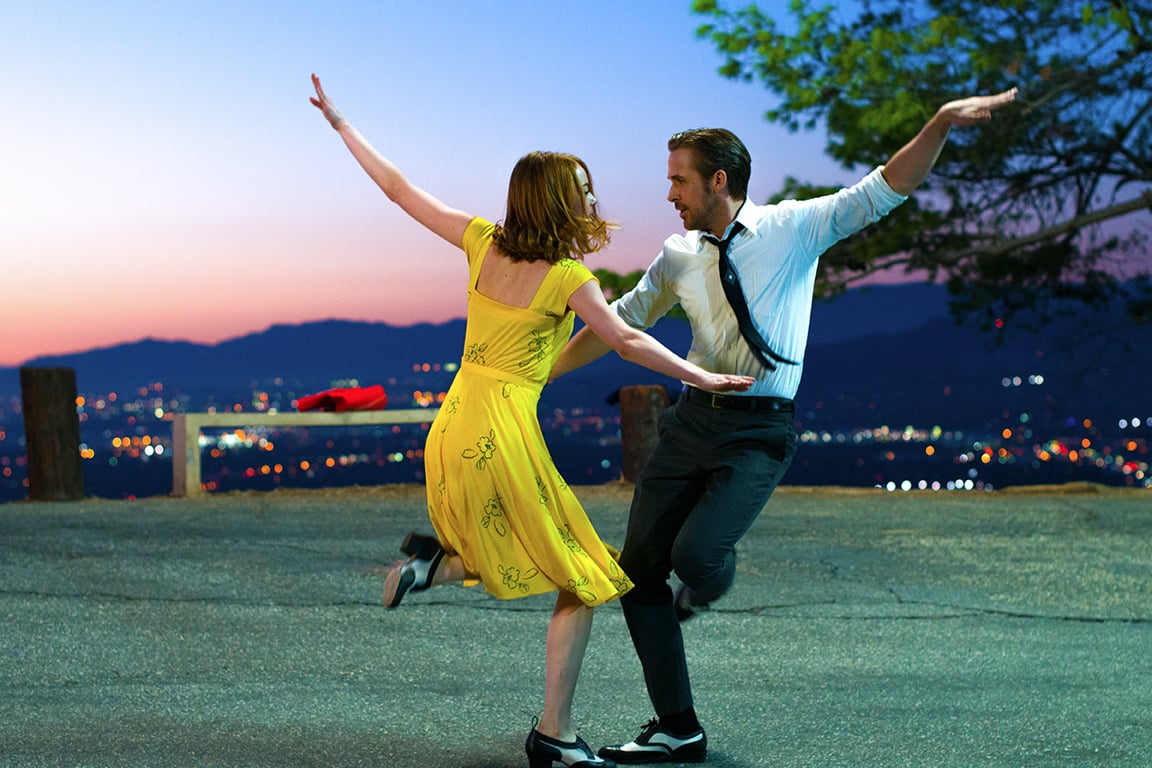
Musicals had slowly moved away from the primary cinema spotlight, with only a few making an impact from the late 1900s to the early 2000s. La La Land revitalized the public’s enthusiasm for this genre by incorporating timeless elements—unplanned street performances, imaginative sequences, and group routines. The film’s introductory scene, “Another Day of Sun,” immediately evoked recollections of past musical extravaganzas with its broad camera sweeps over a Los Angeles highway. Nonetheless, director Damien Chazelle brought a modern twist to the style with continuous-shot choreography, blending the vibrancy of modern urban life instead of restricting the action to studio sets. This depiction of urban authenticity, closely linked to the music, made the musical numbers central not just as spectacular elements but as a medium for expressing the characters’ emotions.
A New Kind of Musical Narrative
Rather than following a purely optimistic trajectory, La La Land explored ambition, compromise, and the bittersweet cost of dreams. The narrative structure upends expectations: while it delivers moments of euphoric joy, the film culminates in an alternative-reality montage, facing the heartbreak of what could have been. By doing so, Chazelle challenged the tidy resolutions of classic musicals, infusing contemporary emotional complexity. Critics and audiences alike noted how numbers like “City of Stars” or “Audition (The Fools Who Dream)” deepen the narrative rather than serving as interludes, merging plot with music emotionally and thematically.
Visual Storytelling and Cinematic Techniques
La La Land enhanced its narrative by using a unique visual style. Cinematographer Linus Sandgren used vivid primary colors reminiscent of Technicolor movies, yet utilized digital techniques and creative lighting to convey atmosphere and remembrance. The film’s implementation of extended shots in dance scenes, real locations, and visual nods filled with tributes broadened the musical genre for a modern audience. For example, the planetarium dance serves both as an homage to the dreamlike ballets of Vincente Minnelli and as a modern take on boundless ambition. Such scenes benefit from digital effects not as mere spectacle, but as instruments to amplify emotions.
The Role of Music and Sound in Character Development
Composer Justin Hurwitz, along with lyricists Benj Pasek and Justin Paul, created a musical experience that honors jazz and classic show tunes while also integrating modern musical influences. The music in the film often blurs the lines between diegetic and non-diegetic elements: characters perform for audiences within the story and for their own personal expression, providing insight into their mental states. An example is Mia’s audition song, which shifts from a narrative element to a source of personal release, giving the audience a glimpse into her internal struggles. Sebastian’s deep engagement with jazz illustrates the balance between maintaining tradition and embracing new ideas, mirroring the film’s own blend of genres.
Social and Cultural Resonance
La La Land resonated with audiences beyond film enthusiasts, becoming a worldwide cultural icon. Its box office success—grossing over $440 million internationally—and its dominance in awards, winning six Academy Awards, marked a resurgence for original musicals within the mainstream. Set in the diverse city of Los Angeles, featuring a globally varied supporting cast and highlighting immigrant aspirations, it emerged as a universal narrative while portraying distinctly American dreams. In educational and community theater, the film’s impact is visible in the increasing array of modern musicals with original soundtracks, movement-focused staging, and lifelike character development.
Legacy: Inspiring a New Creative Wave
Since La La Land, a series of musicals have emerged aiming for similar levels of artistry and commercial appeal, such as The Greatest Showman, Mary Poppins Returns, and In the Heights. Streaming platforms have also invested in musical content, while major awards bodies became more receptive to the genre. Scholars and critics note that the film’s willingness to blend nostalgia with reinvention set a precedent, demonstrating that musicals can be commercially successful without sacrificing artistic ambition or contemporary relevance.
A Reflective Synthesis
La La Land contributed substantially to the language and legacy of the modern musical. Its technical virtuosity, emotional authenticity, and willingness to embrace both the old and the new positioned it as a benchmark for innovation in a genre long defined by tradition. Rather than merely commemorating the past, the film expanded the vocabulary of the musical for a rapidly changing media landscape—inviting both creators and audiences to rediscover the magic and meaning of stories told through song and dance.