
Why is Vivienne Westwood considered revolutionary?
Vivienne Westwood stands as one of the most significant and transformative figures in the history of fashion. Her influence stretches beyond clothing design to encompass cultural, social, and political realms. Westwood’s journey from an upstart iconoclast in the London punk scene to a globally recognized designer is nothing short of revolutionary. Her visionary talent, combined with a relentless critique of societal norms, cemented her innovative legacy.
Beginnings of a Fashion Innovator
Vivienne Westwood made her debut in the fashion world during the 1970s, a period defined by political unrest, youthful rebellion, and the dynamic rise of punk rock. Her collaboration with Malcolm McLaren, who managed the Sex Pistols, led to the creation of the iconic store located at 430 King’s Road. Initially named Let It Rock, it later evolved into SEX, Seditionaries, and several other versions. This boutique was not merely a store; it served as a center for revolutionary counterculture that transformed streetwear, carrying a strong anti-establishment ethos.
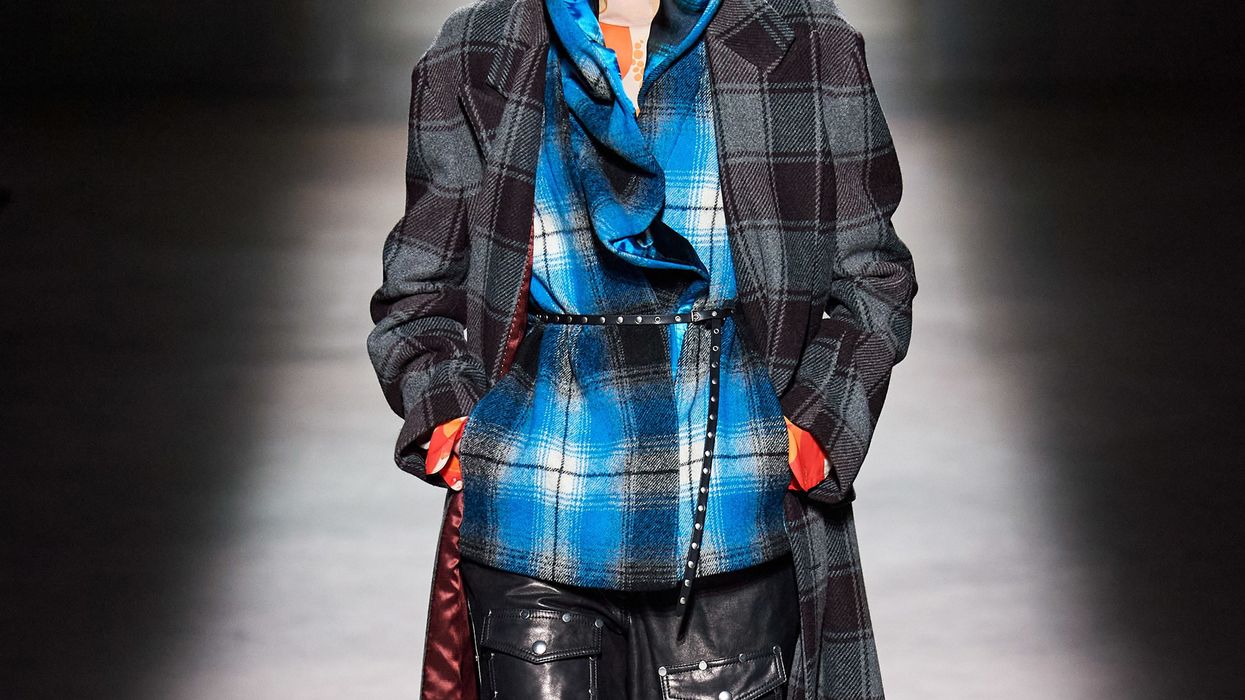
Westwood’s initial creations were intentionally provocative. She took authoritative symbols, like safety pins, tartan patterns, and bondage attire, and gave them a new twist. These decisions went beyond just looks—they represented acts of defiance, pushing society to face its beliefs and taboos. The outfits questioned traditional gender roles and embraced a type of personal expression that the mainstream typically disapproved of.
Innovative Punk and Evolving Visuals
Prior to Westwood, fashion often served to reinforce social order and respectability. Westwood, by contrast, employed clothing as a weapon against mediocrity and oppression. She pioneered the “destroy” look: ripped fabrics, slogans emblazoned on T-shirts, and mismatched patterns that visually assaulted the status quo. Her 1976 “Anarchy Shirt,” for example, combined iconography from fascist uniforms with sexually provocative imagery, compelling viewers to question dogma and authority.
This audacity established Westwood as the principal architect of punk style—a look later co-opted by commercial culture but never stripped of its original insurgent spirit. Young people everywhere adopted her irreverent apparel, channeling their discontent through fashion. What set her apart, however, was the intellectualism she wove into her creations; every stitch carried historical, political, or philosophical meaning.
Transforming the Apparel Sector
The transformation initiated by Westwood permeated the industry of fashion itself. She shattered the norms of Parisian haute couture, shifting the epicenter of creative innovation to London. Her 1981 collection, called “Pirate,” marked the dawn of a new phase for British fashion autonomy. By employing historical elements like corsets from the eighteenth century, crinolines, kilts, and Harris Tweed in unconventional ways, she disrupted modern perceptions of style and decency.
Through the process of breaking down and creatively reassembling, Westwood enlightened a fresh audience on the fashion lexicon. She mixed punk with romantic flair, merged Victorian influences with modern style, and melded rebellion with convention, challenging the lines between «good» and «bad» taste. Her unconventional inspirations included art, philosophy, and humor, with one instance being her take on François Boucher’s “Daphnis and Chloe” for the Spring/Summer 1990 lineup.
Fashion houses worldwide took notice. Westwood’s influence is evident in the work of later designers such as John Galliano, Alexander McQueen, and Rei Kawakubo, who similarly defy categorization and expectation.
Political Engagement and Environmental Responsibility
A defining aspect of Westwood’s revolution is her activism. She has leveraged her platform to champion environmental causes, anti-consumerist rhetoric, and human rights. Unlike many designers, Westwood is vocal about the need for systemic change in the fashion industry, particularly regarding its environmental impact. She has campaigned for reduced consumption and urges supporters to buy less but of higher quality—a message printed boldly on her own garments.
Westwood’s activism is closely linked to her artistic creations. She organizes attention-grabbing runway events, infusing the fashion industry’s extravagant display with impactful social commentaries, and works alongside groups such as Greenpeace. Her “Climate Revolution” initiative turned into a call to action at London Fashion Week, showcasing that fashion can be both aesthetically pleasing and a means for societal change.
Gender and Identity
The influence of Vivienne Westwood also involves breaking down gender conventions. Her creations regularly challenge standard gender divisions by promoting men to consider wearing skirts, women to try wearing power suits, and everyone to question the distinctions between masculinity and femininity. Her bold reimaginings of traditional attire—schoolboy blazers tailored for women, military styles reconfigured for everyone—question established ideas of sexuality and identity.
Using theatrical runway presentations and diverse casting, Westwood has advocated for body inclusion, featuring older models and individuals who broaden the conventional concept of beauty. Her work is fundamentally driven by a democratic spirit: regardless of body type, age, or gender, embracing one’s uniqueness can be a form of revolution.
Lasting Influence of Culture
The influence of Westwood’s designs goes well beyond the fashion shows. Figures like Madonna, Chrissie Hynde, and Rihanna have worn her pieces, spreading their rebellious essence through music, cinema, and visual arts. The emblematic orb symbol—a blend of the coronation orb with Saturn’s rings—has come to represent avant-garde elegance and the merging of different times and styles.
Curators of major museums, including the Victoria and Albert Museum in London and the Metropolitan Museum of Art in New York, have featured Westwood’s work in significant exhibitions, underscoring its status as both art and artifact. Academic studies analyze her oeuvre through lenses of feminist theory, cultural studies, and critical design.
Synthesis
Vivienne Westwood’s revolutionary status is a product of her relentless questioning of the present and her unflinching gaze toward the future. Through clothing as commentary, fearless social activism, and a commitment to redefining the parameters of taste, she altered the DNA of the fashion industry and inspired change-makers across disciplines. Her enduring legacy is not only what she made but the questions she inspired others to ask—and the notion that revolution in any field begins by refusing to accept the limitations of the possible.