
As regions across the globe face sweltering heatwaves and prolonged periods of high temperatures, concerns are mounting over the increasing demand for water and its implications for communities, agriculture, and the environment. The rising need for water amid extreme weather underscores the urgency of sustainable water management and climate adaptation strategies.
In numerous regions, temperatures have soared to unprecedented levels, leading to a substantial increase in water demand. Families, industries, and the agricultural community are all utilizing water resources at remarkable rates to manage the heat. This significant demand has put tremendous stress on water supply infrastructures, especially in areas already facing drought or restricted water availability.
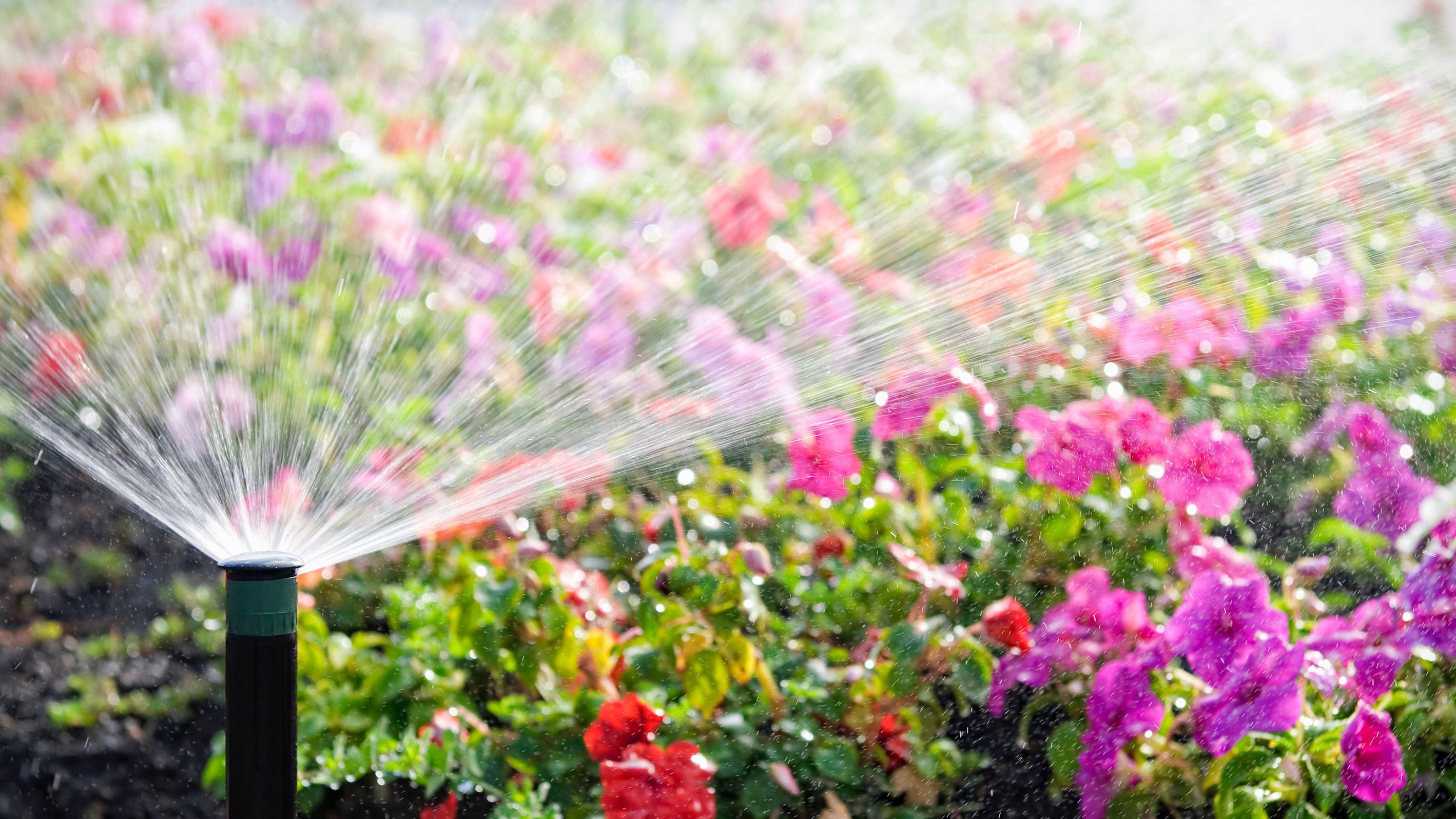
The connection between high temperatures and increased water consumption is multifaceted. In residential settings, people rely heavily on water for cooling, hydration, and maintaining everyday activities such as gardening and personal hygiene. In agriculture, elevated temperatures lead to higher evaporation rates and greater irrigation needs to sustain crops. Livestock also require more water to remain healthy during heatwaves. Similarly, industries dependent on water for cooling processes or production face rising consumption levels.
The challenge posed by climate change makes this scenario even more complex, as it leads to more frequent and intense heatwaves. Extended durations of extreme temperatures raise immediate water needs and jeopardize the enduring stability of water sources. A decline in snowpack, changes in precipitation patterns, and diminishing reservoirs contribute to a more unpredictable water supply, complicating efforts by communities to satisfy rising demands.
Public health is another critical dimension of this challenge. High temperatures elevate the risk of heat-related illnesses such as heat exhaustion and heatstroke, particularly among vulnerable populations including the elderly, young children, and those with pre-existing health conditions. Access to clean, sufficient water is essential for preventing dehydration and maintaining well-being during heatwaves. Any strain on water supplies can thus have direct consequences for public health.
Agriculture, a major consumer of water globally, is particularly susceptible to the effects of heat and drought. Farmers are forced to use more water to keep crops viable, yet water scarcity and restrictions can limit their ability to do so. This dynamic not only threatens food production and supply chains but also the livelihoods of those working in the agricultural sector. In some regions, recurring drought conditions have already led to crop failures and economic hardship for farming communities.
Urban centers are experiencing the consequences too. Municipal water systems are under pressure as demand reaches its highest levels, and older infrastructure might find it challenging to manage increases in usage. Officials in certain regions have enforced restrictions on water use, encouraging people to minimize activities like watering lawns, washing cars, and other non-essential water utilization. These actions, though essential, underscore the fragile equilibrium between addressing present needs and safeguarding resources for the future.
The power industry confronts complex obstacles. As air conditioning and cooling systems see expanded use during heat spells, the demand for electricity surges. Additionally, power stations, notably those that use water for cooling, are required to significantly tap into water resources. This cycle causes energy and water demands to escalate together, leading to worries regarding the robustness of infrastructure and the chances of interruptions in supply.
In response to these growing concerns, experts advocate for a comprehensive approach to water management that incorporates conservation, infrastructure modernization, and climate adaptation. Strategies such as improving water efficiency in agriculture through drip irrigation, investing in drought-resistant crops, enhancing public awareness about water conservation, and repairing leaky infrastructure can all contribute to more sustainable water use.
Furthermore, urban areas and local governments are investigating creative approaches like using recycled water systems, collecting rainwater, and implementing eco-friendly infrastructure to mitigate water shortages. Embracing intelligent water technologies along with data-focused management strategies can facilitate more accurate observation and distribution of water resources, assisting in balancing supply and demand effectively.
Policy interventions are equally critical. Governments at local, regional, and national levels play a key role in setting regulations, incentivizing conservation, and supporting investments in sustainable water systems. International cooperation may also be necessary in transboundary water regions where shared resources require joint management and conflict avoidance.
Public engagement is a fundamental component of effective water stewardship. Encouraging individuals to adopt water-saving behaviors, such as fixing leaks, using water-efficient appliances, and reducing outdoor water use, can collectively make a significant difference. Educational campaigns that highlight the importance of water conservation and the impacts of climate change can empower communities to take action.
Observing the future, the convergence of escalating temperatures, heightened water needs, and climate change poses a significant challenge requiring prompt and continuous focus. Although advances in technology, policy measures, and community involvement provide avenues for resilience, the intricacy of these matters necessitates comprehensive solutions that harmonize environmental, economic, and social factors.
Ultimately, the continuous heatwaves and water pressure highlight the urgent need to enhance adaptive capabilities in response to a shifting climate. By focusing on sustainable water practices and committing resources to robust infrastructure, communities can more effectively tackle the growing difficulties posed by severe weather and guarantee that water stays available for everyone, even during the hottest periods.