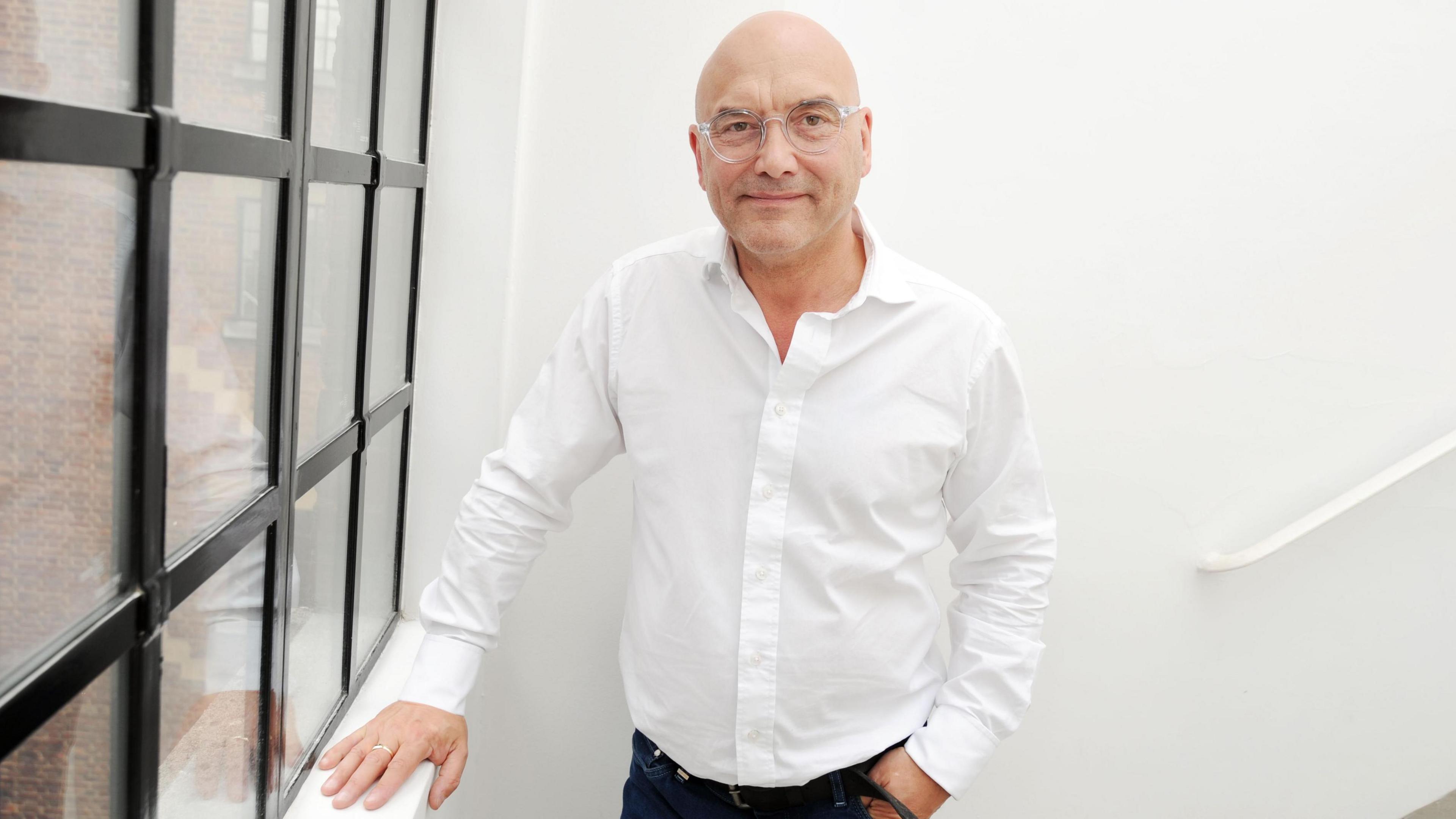

In the past few days, TV personality and host Gregg Wallace has faced public criticism due to statements he delivered while talking about his autism diagnosis. The comments, which he voiced during a press interview, have led to significant negative reactions on social media and among disability rights organizations, igniting a continuous discussion on how public figures address neurodiversity.
Gregg Wallace, widely recognized for his position as co-presenter on the enduring TV show «MasterChef,» has candidly shared in recent years about discovering he was diagnosed with autism later in his life. In several interviews, he has openly discussed how this diagnosis provided him insight into his own identity and some of the difficulties he has encountered, both in his personal and work life. Wallace has frequently mentioned that understanding his autism has clarified his previous experiences, such as social miscommunications and challenges adapting to new situations.
However, the controversy began when Wallace made statements suggesting that some of his previous behaviors—perceived by others as abrasive or impatient—should be viewed through the lens of his autism. While Wallace appeared to be attempting to raise awareness and explain his behavior, critics quickly voiced concerns that such remarks risked reinforcing harmful stereotypes or offering an overly simplistic explanation for complex interpersonal dynamics.
The response was immediate. Online networks were inundated with remarks from members of the autism community, alongside advocates for disabilities and experts in mental health. A significant number voiced their disillusionment, contending that although highlighting awareness of autism is crucial, employing it as a justification for possibly discourteous or impolite actions communicates an incorrect idea and can lead to misinterpretations about the nature of autism and its expressions.
Some of the main critiques included the notion that individuals on the autism spectrum, just like any other person, hold responsibility for their behavior. Some commentators highlighted that to imply otherwise can contribute to perpetuating a story that portrays people with autism as inherently challenging, lacking empathy, or socially unsuitable—stereotypes that can result in more exclusion. Several individuals noted that although social communication differences are frequently observed in autism, it does not excuse anyone from being aware of how their words and actions impact those around them.
In response to the criticism, Wallace issued a follow-up statement clarifying his intentions. He expressed regret that his words may have caused offense or been misunderstood, reiterating that his goal was to shed light on his personal journey rather than to excuse any past behavior. Wallace also underscored his support for greater understanding of neurodiversity and expressed hope that his openness might encourage others to seek help or feel less alone in their own experiences.
The incident has sparked wider discussions about the responsibility that public figures hold when speaking about medical or neurological diagnoses. With millions of followers and substantial media influence, celebrities can shape public perceptions, sometimes in ways that have unintended consequences. In the case of autism, which is still widely misunderstood despite increasing public awareness, the way in which the condition is portrayed can have a profound impact on individuals living with it.
Autism spectrum disorder encompasses a wide range of experiences, abilities, and challenges. While some people with autism may struggle with social communication or sensory sensitivities, others may not exhibit these traits in the same way. This diversity is why many in the community prefer the term «spectrum»—to highlight the fact that no two individuals on the spectrum are exactly alike. Simplifying autism to a set of behavioral quirks or using it to rationalize interpersonal conflicts can therefore undermine efforts to promote nuanced understanding and acceptance.
Disability rights activists have consistently highlighted the need to differentiate between explanation and justification. Although it is significant for people to express how their neurodivergence affects their experiences, such expressions should be approached thoughtfully, with consideration of the wider impacts. If well-known individuals communicate without this awareness, it may lead to the reinforcement of misconceptions instead of fostering genuine comprehension.
The case with Wallace is not isolated. Over the past few years, numerous well-known people have openly discussed their experiences with autism, ADHD, and other neurodivergent conditions. These revelations can contribute significantly to making discussions on mental health and neurological differences more common, particularly when approached thoughtfully and modestly. Nonetheless, the criticism received by Wallace highlights that public discussions about disabilities need to be well-rounded, knowledgeable, and considerate of the real-life experiences of others.
One key takeaway from the controversy is the importance of listening to the voices of people who are actually part of the community being discussed. Many autistic individuals took to social media to share their perspectives, highlighting the need for authenticity and accurate representation. Some pointed out that while they appreciate increased visibility, they also want to ensure that visibility does not come at the cost of reinforcing stereotypes or excusing harmful behavior.
Additionally, this conversation has revived debates regarding the media’s part in shaping narratives about disability. Titles that exaggerate or reduce intricate topics can lead to public misconceptions. Reporters, editors, and broadcasters are responsible for making sure that reporting on autism and other conditions is correct, even-handed, and devoid of stigmatizing language.
Wallace’s journey illuminates the obstacles encountered by those who are diagnosed later in their lives. For numerous adults, discovering they have autism may provide relief and insight into themselves, yet it can also evoke emotions of remorse or puzzlement concerning previous relationships and social encounters. Reflecting on earlier experiences and attempting to understand them through the lens of a new diagnosis is not unusual. Nonetheless, mental health experts advise that this exploration should be approached with kindness to oneself, while also upholding responsibility for personal behavior.
The controversy has prompted some organizations to call for increased education and resources for public figures who choose to disclose personal medical information. With the right guidance, these individuals can become powerful advocates for change, using their platforms to promote acceptance and inclusion rather than inadvertently causing harm. Training in disability awareness and communication strategies could help prevent missteps like the one that sparked the backlash against Wallace.
For admirers of Gregg Wallace, the situation offers a nuanced opportunity for introspection. Numerous individuals have shown ongoing encouragement for the TV host, appreciating his openness about his autism diagnosis as a beneficial move. Simultaneously, they acknowledge the importance of heightened empathy and comprehension when addressing matters that are deeply personal and frequently misinterpreted.
This scenario emphasizes a wider cultural change towards increasing openness about mental health and neurodiversity. As the public gains greater understanding of conditions such as autism, ADHD, and dyslexia, the depiction of these conditions in media and by prominent individuals becomes progressively significant. Positive and precise portrayal can aid in breaking down stigma and encouraging a more inclusive atmosphere for individuals with all types of neurological differences.
Fundamentally, the criticism directed at Wallace highlights a conflict between two significant principles: the pursuit of personal genuineness and the obligation to steer clear of reinforcing damaging stereotypes. Public individuals who narrate their experiences have the potential to motivate others and foster crucial societal discussions, yet these narratives should be conveyed thoughtfully, with consideration, and an understanding of the wider influence their statements might carry.
For numerous individuals in the autism community, this occurrence provides a chance to inform the public about what life with autism entails, including both the difficulties and the positive aspects. Furthermore, it highlights the significance of paying attention to and uplifting the voices of those with firsthand experience rather than depending solely on famous personalities.
Ultimately, Wallace’s choice to discuss his autism diagnosis holds considerable importance. It paves the way for conversations that are frequently overlooked or misinterpreted. However, as highlighted by this controversy, these discussions need to be handled with care, emphasizing precision, compassion, and responsibility. By reflecting on this experience, both Wallace and the broader community can make significant progress in fostering awareness, comprehension, and respect for neurodiverse people worldwide.