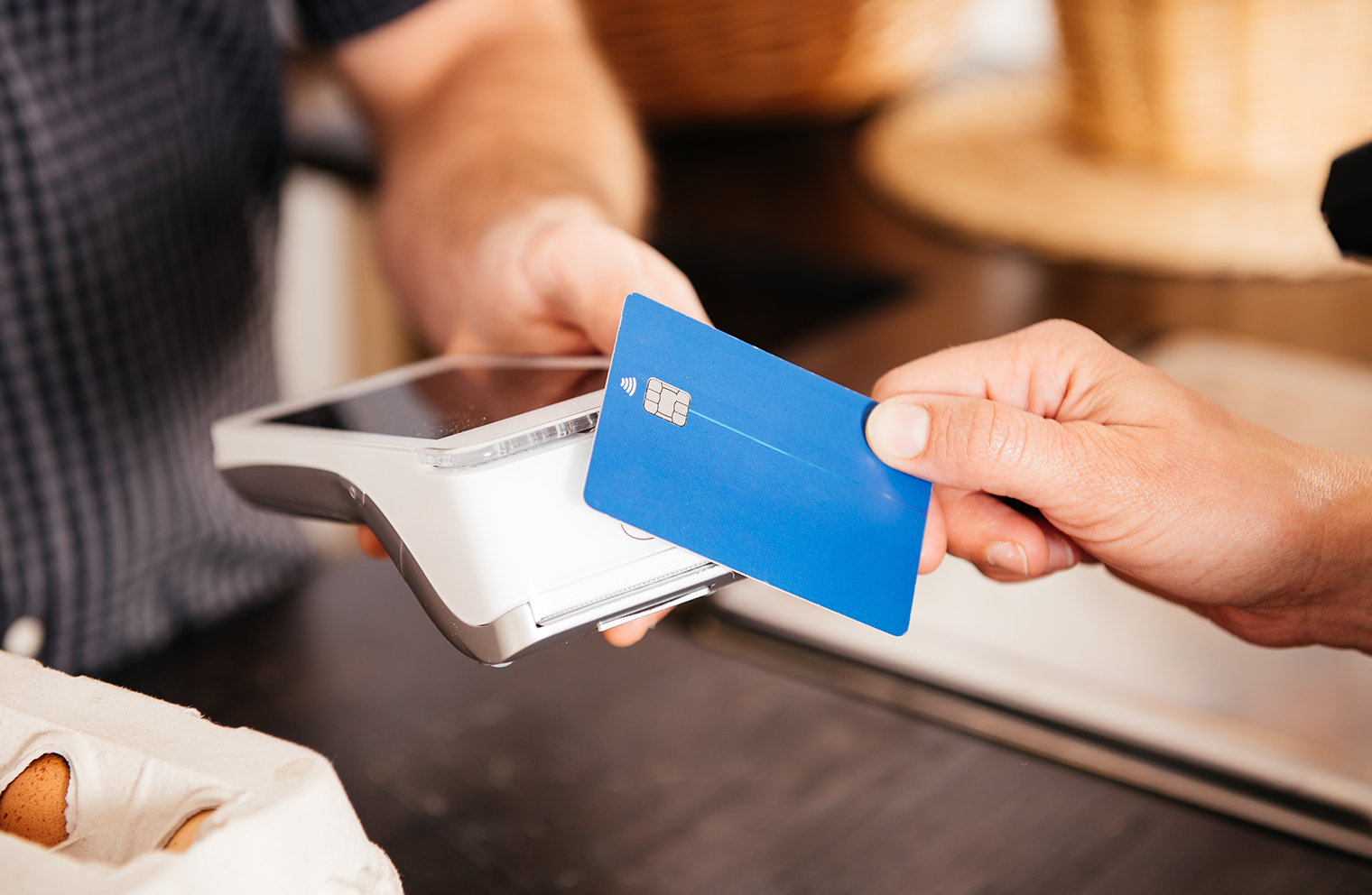

Credit cards have become ubiquitous financial tools, offering convenience, rewards, and flexibility. However, the impact of credit card use on personal financial health is complex and multifaceted. Grasping how credit card usage affects your economic well-being is fundamental for making sound decisions that support long-term stability and growth.
The Mechanics of Credit Cards: Borrowed Money at a Cost
A credit card allows the holder to make purchases or payments by borrowing funds up to a predetermined limit. The issuing bank pays the merchant, and the cardholder repays the issuer, typically on a monthly cycle. If the balance is not paid in full by the due date, interest is charged on the remaining amount. The annual percentage rate (APR) on credit cards can range widely, often from 15% to 30%, making any prolonged balance an expensive form of debt.
Beneficial Outcomes: Establishing Credit and Gaining Incentives
1. Establishing a Credit History: Using credit cards responsibly is pivotal in building a positive credit history. Timely payments and maintaining a low credit utilization ratio can significantly improve your credit score. For young adults or those with limited credit backgrounds, credit cards often serve as an entry point to credible financial standing.
2. Access to Rewards and Benefits: Many credit cards offer rewards such as cashback, airline miles, or points redeemable for merchandise. For example, a card providing 2% cashback on all purchases can amount to substantial savings over time if you pay off balances monthly.
3. Enhanced Security and Purchase Protection: Credit cards often include fraud protection, purchase insurance, and extended warranties. In case of unauthorized transactions, most issuers promptly resolve disputes, minimizing potential losses.
Possible Dangers: The Buildup of Debt and Associated Interest Expenses
1. High-Interest Charges: Carrying a balance from month to month leads to interest compounding, making debts balloon over time. An outstanding balance of $5,000 at a 20% APR would incur approximately $1,000 in interest per year if not reduced. This burden can hinder saving and investment efforts.
2. Negative Impact on Credit Scores: Late payments, high credit utilization ratios (the percentage of your credit limit in use), and frequent applications for new credit negatively influence credit scores. A low score can increase the cost of borrowing and reduce access to favorable financial products.
3. Psychological Traps and Overspending: Numerous studies, such as those by behavioral economists at MIT, have found that individuals tend to spend more using credit cards compared to cash. The abstract nature of credit plastic can diminish the perceived value of money, potentially leading to impulse buying and consumer debt.
Case Study: Dual Strategies for Credit Card Utilization
Consider the financial paths of two imaginary people, Emily and David. Emily utilizes her credit card to accumulate reward points, always settles her full balance, and keeps track of her expenditures. Her credit score improves, allowing her to obtain a reduced interest rate on a home loan. She benefits from more than $300 in yearly rewards and takes advantage of her card’s travel insurance perks.
David, on the other hand, often uses credit cards to manage cash shortfalls, pays only the minimum, and accumulates a $7,000 debt. Over time, he pays $1,400 annually in interest and faces rejected loan applications due to a low credit score. His financial stress increases, impacting his quality of life and future opportunities.
Strategic Application for Peak Fiscal Well-being
1. Pay Balances in Full: To avoid high-interest costs, strive to pay off the full balance every month. This habit prevents debt accumulation and ensures that the benefits—such as rewards, purchase protection, and improved credit—outweigh the risks.
2. Monitor Spending Patterns: Use budgeting apps or set alerts to track your spending. This approach helps prevent unconscious overspending, ensuring that purchases align with your budgetary goals.
3. Maintain a Low Credit Utilization Ratio: Experts recommend keeping your utilization below 30% of your credit limit. For example, with a $10,000 credit line, keeping your monthly balance below $3,000 can positively influence your credit profile.
4. Avoid Unnecessary Credit Applications: Each new credit application results in a hard inquiry on your credit report, which can temporarily decrease your score. Limit applications to when you genuinely need additional credit.
5. Leverage Cardholder Perks Responsibly: Maximize rewards and benefits offered by your card without changing spending habits solely for points. Review the card’s fee structure to ensure it does not outweigh earned rewards.
External Impacts and Societal Trends
The extensive use of credit cards has impacted the financial conduct of households. In the United States, the Federal Reserve indicated that by 2023, the typical household credit card debt exceeded $7,000, reaching an unprecedented peak. Although credit availability can foster economic involvement, an uncontrolled rise in unsecured debt has been associated with higher bankruptcy figures and financial instability.
The cultural understanding of credit also holds significance. In nations where credit utilization is commonplace, like the United States or Canada, people might experience social pressure to own high-end cards or accumulate debt to uphold their lifestyle, which further complicates the equilibrium between establishing good credit and excessive borrowing.
Credit cards, when used with discipline and a clear understanding of their mechanisms, can serve as effective financial tools for building credit, earning rewards, and gaining security protections. However, misuse carries the risk of costly debt, reduced creditworthiness, and long-term financial strain. Navigating the complexities of credit card use requires not just mathematical acumen but also behavioral awareness and strategic planning, fostering financial habits that support stability and resilience throughout varying economic cycles.