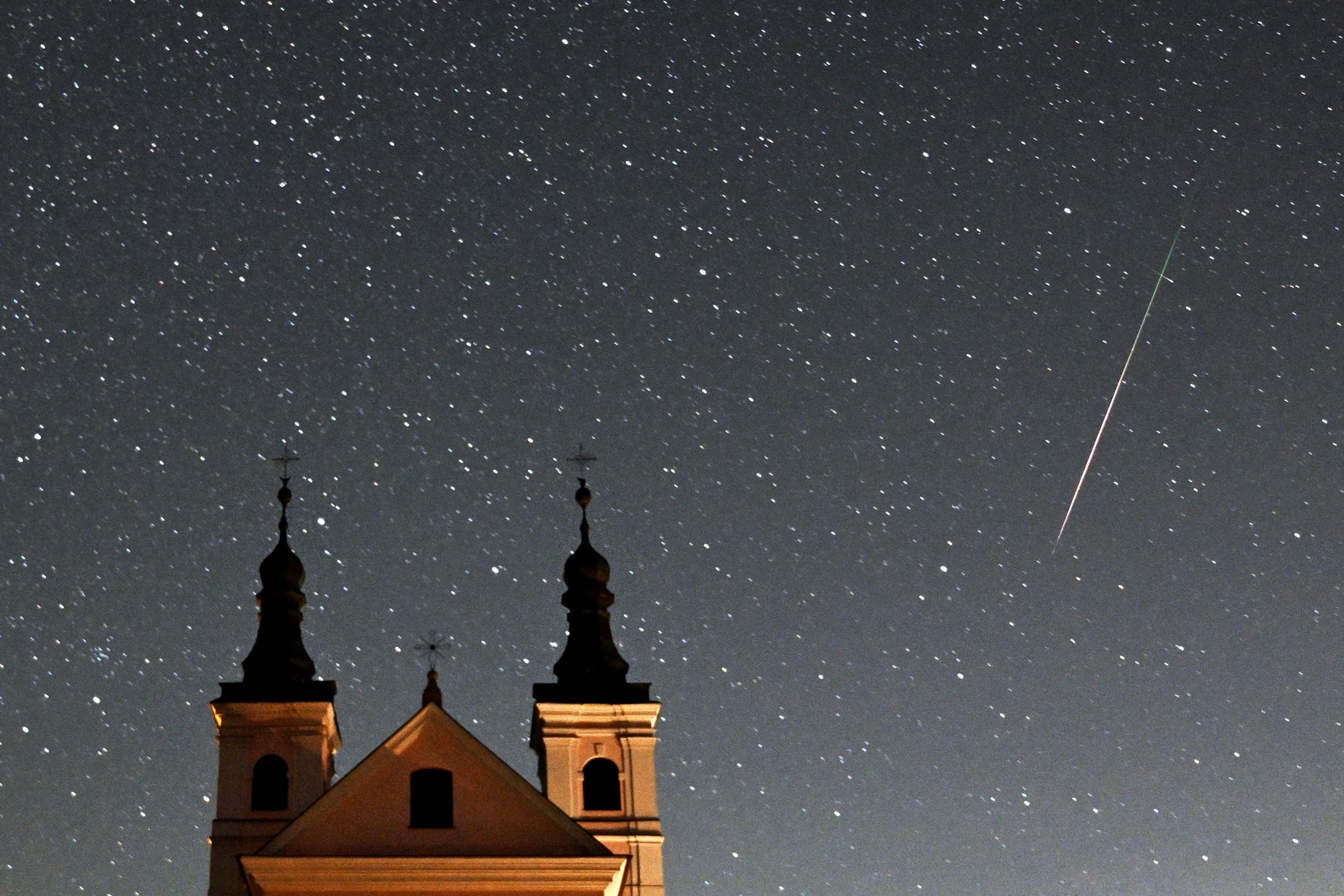

Each year, in the warmth of the summer, the Earth passes through a cosmic cloud of debris, creating one of the most anticipated celestial events for skywatchers. This phenomenon, known as the Perseid meteor shower, is a yearly spectacle that draws the attention of amateur astronomers and casual observers alike. Its reliable nature and the typically pleasant weather of its peak season make it an ideal event for families, seasoned stargazers, and anyone who simply wants to witness a bit of cosmic wonder.
The origin of the Perseids can be traced back to Comet Swift-Tuttle, a celestial body that orbits the sun once every 133 years. As this comet travels through space, it leaves a trail of dust and rock particles in its wake. When our planet intersects this trail, these small pieces of cosmic debris, often no bigger than a grain of sand, collide with Earth’s atmosphere at incredibly high speeds. The friction from this collision causes them to heat up and glow, creating the brilliant streaks of light we know as meteors.
While the shower is active for several weeks, the most spectacular display occurs during its annual peak. This is the period when Earth is passing through the densest part of the comet’s debris trail, resulting in the highest number of meteors per hour. The timing of this peak can vary slightly from year to year, but it reliably occurs in the middle of August. For the most rewarding experience, it is essential to plan your viewing session for the night of the peak and the nights immediately surrounding it.
Successful meteor shower viewing hinges on a few key factors, with the most critical being the quality of the sky. The best viewing locations are those far from the light pollution of cities and towns, as a darker sky will make fainter meteors visible. The moon’s phase also plays a significant role; a new moon or a thin crescent moon will provide the darkest skies, maximizing the number of meteors you can see. If the moon is full or close to it, its brightness can wash out all but the brightest fireballs.
To get ready for an evening of star-watching, it’s advisable to locate a clear spot with an expansive view of the sky. Bringing a cozy chair or a blanket is suggested, as you’ll likely be gazing upwards for a prolonged period. It’s important to give your eyes time to adapt to the dark for a minimum of 30 minutes. In this time, refrain from glancing at bright lights, like your phone’s display, since this can disrupt your night vision.
The Perseids are named after the constellation Perseus, as the meteors seem to emerge from a single location in the sky called the radiant. Although the radiant is where the meteors seem to come from, they can be seen anywhere in the sky. To maximize your opportunity to spot one, it’s recommended to gaze upwards and in a direction away from the radiant. This approach allows you to see meteors with longer and more spectacular trails as they travel across the sky.
The Perseid shower is renowned for producing a high number of bright meteors, including a significant amount of fireballs, which are exceptionally bright meteors that can cast shadows and be seen over a wide area. These brilliant flashes of light are created by larger pieces of debris from Comet Swift-Tuttle. Catching a fireball is a truly unforgettable experience, and the Perseids are known for offering some of the best opportunities to do so each year.
The examination of meteor showers provides scientists with a distinctive perspective on the history of our solar system. Through the analysis of dust and rock elements that form meteors, researchers gain insights into the composition of the originating comets and the environment of the early solar system. This area of science greatly depends on observations from both professionals and enthusiasts, making each Perseid shower an important opportunity for gathering data.
Observing the Perseid meteor shower is more than just watching a light show; it is a chance to connect with the cosmic cycles of our solar system. The shower’s reliability, combined with the ideal viewing conditions of the summer months, makes it a perfect entry point for anyone interested in astronomy. By following a few simple steps—finding a dark sky, allowing your eyes to adjust, and simply looking up—you can be a part of this annual astronomical tradition and witness the fleeting beauty of a cosmic dance.