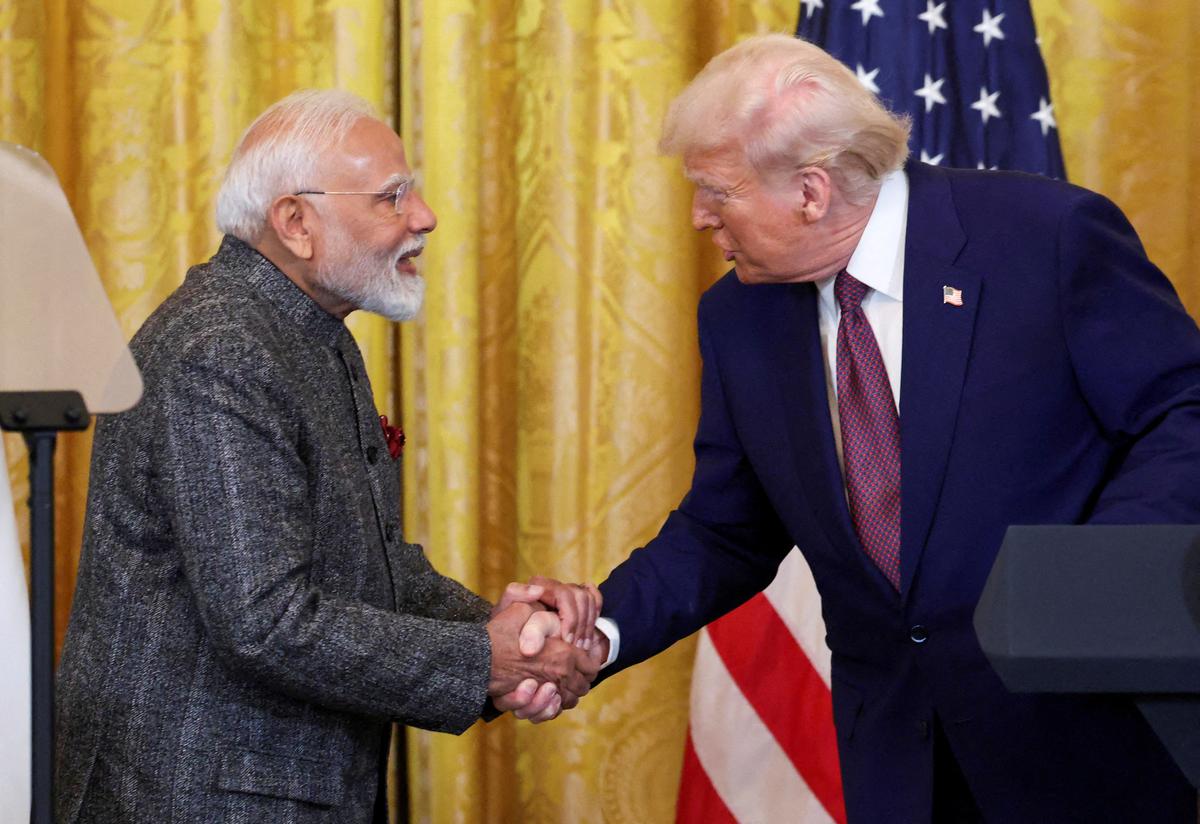

The geopolitical landscape of the 21st century is experiencing rapid transformation, primarily driven by the rebalancing of power from the West to the East. Major global shifts highlight emerging economies, technological advancements, and strategic alliances that challenge the traditional order dominated by the United States and Western Europe. India, the world’s largest democracy and its most populous country as of 2023, stands at the epicenter of this transformation. Understanding India’s evolving role in new global geopolitics requires assessing its diplomatic strategies, economic growth, defense posture, and soft power outreach.
Diplomatic Engagement and Strategic Autonomy
One of the defining characteristics of India’s foreign policy is the pursuit of strategic autonomy. India carefully avoids aligning exclusively with any power bloc, promoting a balanced approach to global partnership. This philosophy, rooted in its Cold War-era Non-Aligned Movement legacy, has been recalibrated for contemporary challenges.
The emergence of the QUAD (Quadrilateral Security Dialogue)—an unofficial strategic platform that includes India, the United States, Japan, and Australia—illustrates India’s subtle role in participating within multilateral structures. Although QUAD is frequently seen as a response to China’s assertive actions in the Indo-Pacific, India continually supports a regional order that is inclusive rather than forming explicit military coalitions. The different speeds and priorities of India’s involvement with QUAD, the Shanghai Cooperation Organization, and BRICS (Brazil, Russia, India, China, South Africa) demonstrate its dedication to practical diplomacy aligned to specific objectives.
Throughout the Ukraine crisis, India adopted an approach of steering clear of explicit reproaches in the United Nations, focusing on ensuring energy security and maintaining diplomatic adaptability. This position, marked by abstentions and appeals for discussion, reflects India’s commitment to pursue its national interests while staying involved in constructing global consensus.
Economic Growth and Trade Dynamics
India’s role in global geopolitics is deeply intertwined with its economic resurgence. As of 2024, India holds the position of the world’s fifth-largest economy, projected to become the third-largest by the end of the decade. With a Gross Domestic Product surpassing $3.5 trillion, India is a vital engine of global growth, contributing a significant share to worldwide GDP expansion.
India’s active participation in initiatives like the G20 underscores its aspiration for a prominent voice in global economic governance. Hosting the G20 Summit in 2023 not only elevated India’s status on the world stage but also reinforced its role as a bridge between developed and developing economies. India’s push for reforms in global institutions—such as the International Monetary Fund and the United Nations Security Council—exemplifies its commitment to a more equitable international order that reflects contemporary economic realities.
Diversifying trade is a key element of India’s strategy in global politics. The nation’s adjusted stance on free trade agreements, highlighted by new deals with Australia and the United Arab Emirates, demonstrates willingness to engage with international markets while protecting national interests. At the same time, India’s incentives tied to production and focus on manufacturing seek to lessen reliance on specific regions and strengthen defense against disruptions in supply chains.
Advancements in Defense and Security Alliances
Geopolitical challenges in Asia, particularly with China and Pakistan, have motivated India to upgrade its defense capabilities and strengthen security partnerships. India ranks high among the world’s top defense spenders, with its defense budget surpassing $70 billion in 2023. The nation is investing in local missile programs, expanding its navy, and advancing its fighter jet fleet, showcasing its goal to achieve strategic deterrence and independent operational capabilities.
India’s strategic location along important maritime routes in the Indian Ocean has strengthened its naval security presence. Programs such as the Indian Ocean Naval Symposium and joint exercises with naval forces from France, the United Kingdom, the United States, and ASEAN countries highlight India’s dedication to ensuring navigation freedom and regional security. Furthermore, India’s significant involvement in United Nations peacekeeping operations bolsters its reputation as a dependable supporter of global peace and safety.
However, India’s defense approach is firmly rooted in strategic restraint, seeking to avoid escalation even in the face of provocations, as evidenced during the 2020-21 border standoff with China in Ladakh. While ensuring robust defense preparedness, India simultaneously pursues diplomatic dialogue to manage conflict and de-escalate tensions.
Technological Leadership and Digital Diplomacy
India’s shift towards digitalization and its increasing technological capacity have become essential components of its geopolitical approach. As the world’s third-largest startup ecosystem, featuring prominent unicorns in financial technology, healthcare technology, and educational technology, India’s innovative economy serves as a source of cultural influence and global reach.
The launch of the Unified Payments Interface (UPI) has positioned India as a global leader in digital financial inclusion, prompting numerous countries in Africa and Southeast Asia to adopt or emulate the model. India’s initiative to provide digital public goods to partner countries—what Prime Minister Narendra Modi has termed «Digital Public Infrastructure for the Global South»—strengthens its diplomatic ties with emerging economies and fosters South-South cooperation.
Involvement in the semiconductor supply chain project, partnerships on environmental technology, and funding in space discovery (emphasized by Chandrayaan-3’s moon touchdown) have further demonstrated India’s ambitions to be a technology provider instead of just a technology user.
Influence, Heritage, and Expat Communities
In addition to its strong military and economic presence, India effectively utilizes its significant cultural influence through diplomatic efforts and global networks of its diaspora. Bollywood, yoga, culinary diversity, and literary works are powerful means that affect worldwide views about India. The International Day of Yoga, commemorated globally each year since 2015 due to India’s efforts, exemplifies its accomplishments in cultural outreach.
The Indian diaspora, estimated at over 32 million individuals, serves as an influential «third pillar» of India’s foreign policy. Highly skilled professionals, particularly in Silicon Valley and Europe, not only bolster India’s image as an innovation hub but also act as bridges for economic and diplomatic engagement. Strategic outreach during crises, such as large-scale consular support for Indians in Ukraine and Sudan, further cements the trust between the state and its global citizens.
Obstacles, Limitations, and Tactical Assessments
Despite its rising profile, India confronts critical challenges that constrain its global ambitions. These include complex relations with China and Pakistan, persistent border disputes, and the volatility of neighborhood politics, especially in Afghanistan, Myanmar, and Sri Lanka.
Socioeconomic inequalities, environmental challenges, and infrastructure deficiencies create internal limitations that might decelerate India’s journey to global prominence. Additionally, maintaining a delicate equilibrium among influential global powers—the United States, China, Russia, and the European Union—demands skilled diplomacy. The inclination of outside nations to push India towards taking sides, especially in situations involving Russia or in the context of economic rivalry with China, challenges India’s commitment to remain nonaligned.
Amid these complexities, India’s ability to effect meaningful change globally hinges on the successful harmonization of national development priorities with an outward-looking, adaptable foreign policy.
The evolving landscape of world geopolitics has transformed India from being a passive player to a powerful entity capable of influencing regional and global matters. By utilizing strategic independence, economic vitality, military advancements, and extensive cultural influence, India maneuvers through a multifaceted international environment filled with unpredictability and potential. While its ascent faces numerous obstacles, it aligns internal changes with active global involvement, placing India squarely among the key designers of the new global order.