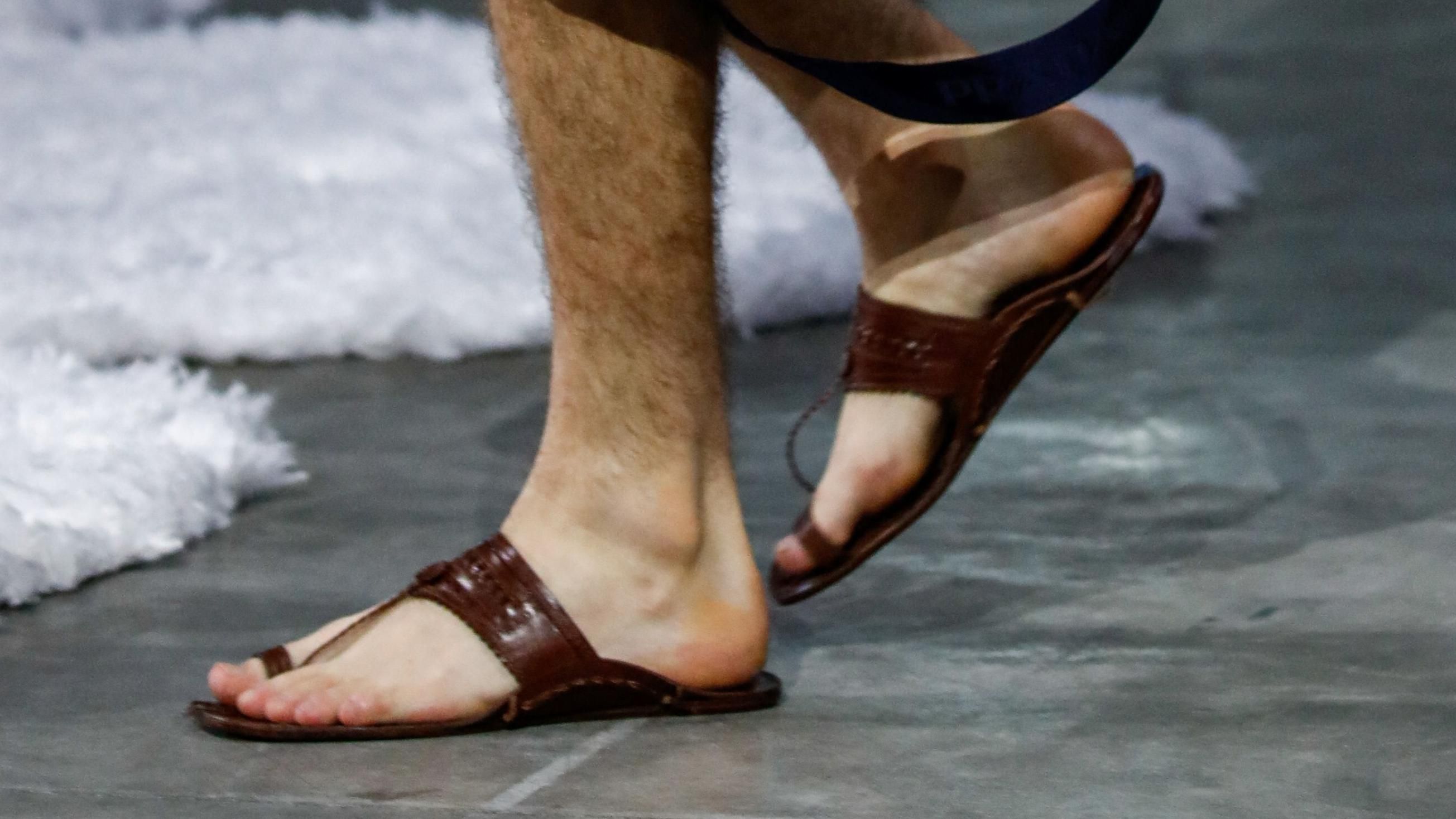

Italian fashion brand Prada has openly admitted the cultural roots of a new shoe design following backlash over its similarity to traditional Indian shoes. This recognition arises as discussions intensify in the fashion sector about the need to value non-Western inspirations and honor cultural heritage in design.
The debate was ignited after Prada introduced a new design of slip-on footwear that bore a strong resemblance to the traditional Indian jutti—a handmade leather shoe recognized for its curved tip and detailed embroidery, prevalent in many parts of India. Although the luxury brand did not initially acknowledge any cultural sources, fashion critics and individuals on social media rapidly noted the noticeable likenesses, leading to claims of cultural appropriation.
Critics pointed out that in promoting the shoes without acknowledging their roots, Prada failed to honor the cultural and craftsmanship heritage associated with a design profoundly meaningful to South Asian communities. Numerous voices stressed that these actions contribute to a recurring trend where global fashion brands adopt elements from non-Western traditions without adequately recognizing or compensating the cultures they borrow from.
In reaction to the criticism, Prada issued a declaration recognizing that the design was inspired by traditional Indian shoes and showed gratitude for the artistry that shaped the collection. The brand also reaffirmed its dedication to honoring global cultures and striving for more inclusivity and understanding in its creative approach.
This initiative by Prada is a component of a larger shift in the high-end fashion sector, where conversations about cultural inclusivity, representation, and appropriation have become a primary focus. Today’s consumers are more outspoken about ensuring that brands are responsible—not merely for their design decisions, but also for how these decisions interact with and mirror a variety of cultural stories.
Classic Indian juttis transcend mere fashion; they stand as a representation of cultural identity and masterful craftsmanship, crafted by talented artisans utilizing time-honored techniques passed down over ages. Traditionally, both men and women have donned juttis for formal ceremonies, spiritual gatherings, or daily use. Their creation generally features leather or textile foundations, intricate hand embroidery, bead detailing, and lively hues—all distinctive elements of Indian artistry.
In recent years, there has been a growing global appreciation for traditional Indian designs, driven in part by diasporic influence, cultural exchange, and an expanding interest in sustainable fashion practices. However, this growing visibility has also led to concerns about the line between appreciation and appropriation. When global brands adopt such styles without acknowledgment, it not only erases the origin story of these designs but also marginalizes the communities and craftspeople who sustain them.
Prada’s response to the criticism may signal a shift toward more responsible engagement with global design traditions. While acknowledging the oversight, the brand has also hinted at possible collaborations with artisans from the regions that inspire their collections. Such partnerships—if implemented meaningfully—could create pathways for recognition, economic support, and the preservation of traditional craft.
Industry analysts highlight that although creativity is inherent in the progression of fashion, the situation in which a design is modified is significant. Acknowledging sources, narrating the complete history, and incorporating the perspectives of individuals whose traditions influence a design are essential to establishing a moral and considerate creation process. Companies that neglect these aspects might distance consumers and sustain persistent imbalances in the allocation of fashion’s cultural influence.
For Prada, recognizing their actions might mitigate some of the backlash they face, but it also establishes a standard for how international fashion brands should handle cross-cultural design in the future. Shoppers today are more knowledgeable and involved, leading to a greater call for openness, not just in obtaining materials but also in the origin of concepts.
Over the past few years, numerous fashion labels have encountered comparable criticism, leading certain ones to completely revise their creative and marketing approaches. A number of them have begun working hand-in-hand with artisans, whereas others have introduced advisory groups to guarantee cultural awareness. These various measures all indicate a shift towards a more inclusive future for fashion—one that treasures heritage just as much as it does creativity.
As fashion becomes increasingly global, discussions surrounding ownership, heritage, and recognition grow more complicated—and more crucial. The dialogue goes beyond mere aesthetics, incorporating economic fairness, intellectual rights, and communities’ entitlement to see themselves portrayed precisely and respectfully on a worldwide stage.
In recognizing the Indian roots of its footwear design, Prada has taken a step—albeit a reactive one—toward aligning with these evolving values. Whether this moment leads to lasting change in how the brand engages with cultural influences remains to be seen, but it marks another chapter in fashion’s ongoing journey toward greater accountability.
In the end, the future of design depends on teamwork, openness, and mutual respect. As the sector progresses, companies that adopt these values are more prone to create genuine relationships with worldwide audiences and establish legacies founded on more than just aesthetics, but also on cultural authenticity.