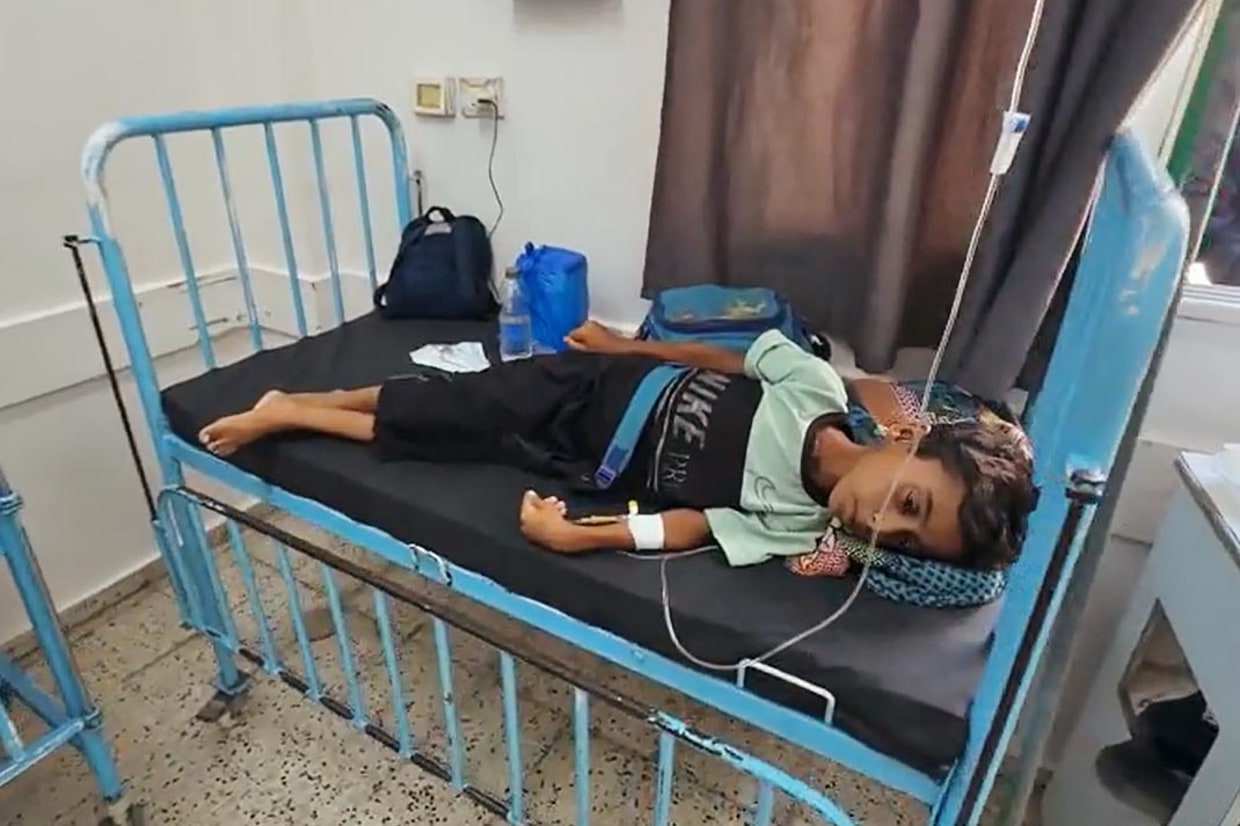

Starvation is a critical medical condition that results from prolonged deficiency of essential nutrients and energy. Addressing it requires a comprehensive, carefully monitored approach, as the body’s systems are severely compromised and any abrupt refeeding can pose serious health risks. Whether occurring in the context of humanitarian crises, chronic neglect, or severe eating disorders, the treatment of starvation involves not only restoring nutrition but also stabilizing multiple organ systems, preventing complications, and addressing underlying causes.
Cuando el organismo se queda sin alimentos durante un tiempo prolongado, entra en un estado catabólico donde las reservas de grasa, el tejido muscular, y los órganos internos son descompuestos para proporcionar energía. Esto provoca una pérdida de peso considerable, debilidad, y perturba las funciones metabólicas, hormonales, e inmunológicas. Los desequilibrios de electrolitos—en particular, los niveles bajos de fosfato, potasio, y magnesio—son frecuentes y pueden ocasionar complicaciones potencialmente mortales como arritmias cardíacas e insuficiencia respiratoria.
Because the body adapts to starvation by downregulating many functions, any sudden increase in food intake can be dangerous. This is known as refeeding syndrome, a potentially fatal shift in fluids and electrolytes that can occur when nutrition is reintroduced too rapidly.
The first step in treating starvation is to perform a thorough assessment of the patient’s condition. Medical teams evaluate vital signs, weight, body mass index (BMI), hydration status, and laboratory values, including glucose, electrolytes, and kidney and liver function. In many cases, intravenous fluids may be administered initially to correct dehydration and electrolyte imbalances before solid food or nutritional formulas are introduced.
In the stabilization stage, it is crucial to watch for indicators of infection, heart instability, or neurological issues. People who have experienced severe malnutrition frequently show symptoms such as bradycardia (a slow heart rate), low blood pressure, and lowered body temperature, all of which must be treated carefully to prevent shock or organ failure.
After a patient is stabilized, the gradual reinitiation of calorie intake starts slowly. Nutrition is commonly given through specialized oral supplements or nasogastric feeding if the patient cannot consume food. The initial caloric intake is deliberately kept low—typically ranging from 10 to 20 kilocalories per kilogram of body weight per day—and is increased incrementally over several days or weeks.
The nutritional composition is also carefully designed. Carbohydrate levels are limited initially to reduce the risk of refeeding syndrome, while protein, fats, and essential micronutrients like thiamine and other B vitamins are administered to support metabolic recovery. Electrolytes such as phosphate, potassium, and magnesium are replaced as needed and closely monitored throughout the process.
In certain situations, intravenous feeding, also known as parenteral nutrition, might be necessary, particularly when the gastrointestinal system is not functioning well. Nevertheless, this method is applied with care and generally as a final option because of potential complications.
In situations where hunger is associated with mental health issues, like anorexia nervosa or major depression, psychological assistance is crucial for healing. Treatment plans usually incorporate behavioral therapy, counseling, and psychiatric services to aid individuals in tackling skewed perceptions concerning food, self-image, or past trauma.
Likewise, social actions are essential in cases of poverty, neglect, displacement, or conflict. Humanitarian groups and medical teams frequently collaborate to offer both nutritional assistance and access to housing, fresh water, sanitation facilities, and resources for long-term rehabilitation. Educational programs on balanced diets and sustainable food practices are often integrated into community-driven initiatives.
Kids experiencing famine are especially at risk because of their heightened nutritional requirements and growing bodies. Protocols for pediatric care frequently use ready-to-eat therapeutic foods (RUTFs), which are energy-rich pastes fortified with micronutrients that do not need to be refrigerated or mixed with clean water for preparation.
Those nutritional therapies, like ones derived from peanut paste and milk powder, enable caregivers to provide care at home following initial stabilization within a medical environment. Severe acute malnutrition in children is commonly diagnosed through low weight-for-height ratios, noticeable wasting, or mid-upper arm circumference (MUAC), and treatment is customized based on these criteria.
Vaccination, deworming, and infection control are often included in pediatric protocols, as malnourished children are highly susceptible to diseases like measles, pneumonia, and diarrhea, which can quickly become fatal without intervention.
Full recovery from starvation does not end once weight is regained. Rehabilitative care often includes ongoing nutritional support, physical therapy to rebuild muscle mass and function, and regular health monitoring to detect lingering deficiencies or complications. In many cases, digestive issues, anemia, bone density loss, or psychological symptoms can persist long after visible signs of malnutrition are resolved.
Continuous follow-up is particularly vital in environments where the availability of food is inconsistent. In such circumstances, preventive measures—including food stability initiatives, support for agriculture, and education on maternal nutrition—are crucial in disrupting the pattern of malnutrition.
During crises like natural catastrophes, warfare, or large-scale evacuations, swift action plans to combat severe hunger are crucial. Groups such as UNICEF, the World Food Programme (WFP), and Médecins Sans Frontières (Doctors Without Borders) organize uniform care packages and traveling medical units to assist impacted communities.
Emergency nutrition centers are set up to prioritize and care for children and adults suffering from moderate to severe acute malnutrition. These centers usually function as part of larger aid initiatives focusing on sanitation, housing, and disease prevention, acknowledging that malnutrition seldom occurs alone.
Once the immediate health emergency is addressed, avoiding a relapse into hunger necessitates addressing the underlying issues. These could be poverty, lack of food security, social exclusion, or widespread disturbances caused by conflict or environmental changes. Comprehensive solutions typically comprise a mix of healthcare initiatives, economic growth strategies, and social support aimed at fostering strong communities.
In some situations, teaching about nutrition, having routine health evaluations, and receiving assistance from social service workers or community health groups can aid in promoting healthy habits and identifying early indications of setbacks.
Treating starvation involves more than simply providing food. It requires a multi-disciplinary, evidence-based approach that accounts for the body’s fragile state, the psychological impact of prolonged deprivation, and the social conditions that led to malnutrition in the first place. With careful planning, medical oversight, and long-term support, individuals affected by starvation can recover and regain both their health and dignity.