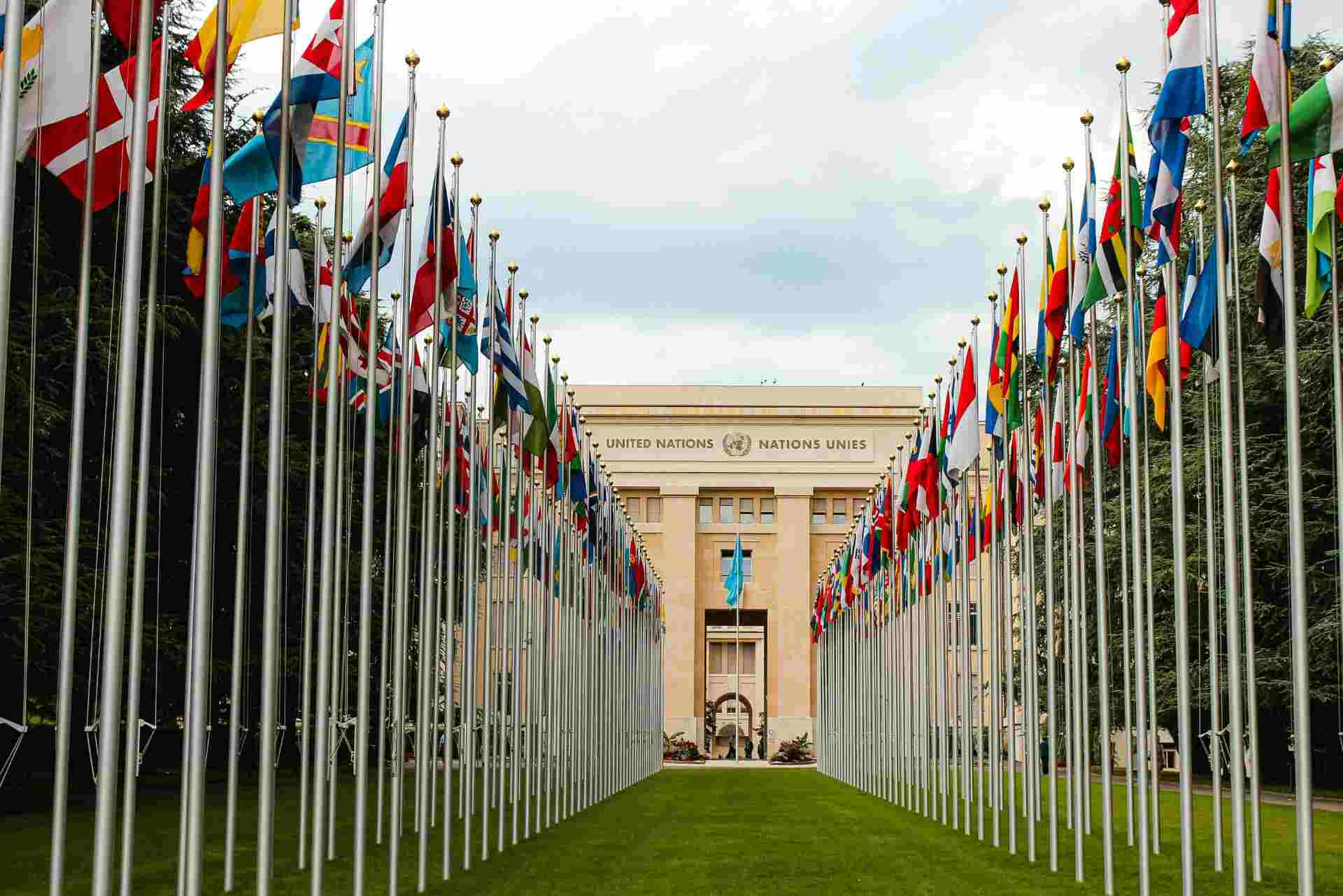

Corporate Social Responsibility (CSR) has transformed from a voluntary business approach to a critical pillar of sustainable development around the world. At the forefront of this evolution is the United Nations, whose various agencies, frameworks, and initiatives guide, encourage, and sometimes catalyze corporate engagement with social, environmental, and ethical responsibilities. This article explores the pivotal part the UN plays in shaping, promoting, and mainstreaming CSR globally, fortified with detailed examples, data, and expertly curated case studies.
Defining Corporate Social Responsibility in the UN Context
CSR in the context of the UN extends beyond philanthropy or compliance. It embodies the commitment of businesses to integrate human rights, environmental stewardship, fair labor practices, anti-corruption efforts, and meaningful engagement with stakeholders across supply chains and operations. The UN has been instrumental in standardizing the language, priorities, and expectations around CSR, fostering a globally recognized lexicon that shapes regulatory environments and investor expectations.
Pivotal UN Frameworks Influencing Corporate Social Responsibility
Established in 2000, the UN Global Compact is the most extensive voluntary corporate sustainability initiative worldwide, uniting over 15,000 companies and 3,000 non-business signatories across 160+ countries. It challenges participating businesses to align their operations and strategies with ten universally accepted principles in the areas of human rights, labor, environment, and anti-corruption.
Specifically, these ten tenets originate from fundamental United Nations instruments, including the Universal Declaration of Human Rights, the International Labour Organization’s Declaration on Fundamental Principles and Rights at Work, the Rio Declaration on Environment and Development, and the United Nations Convention Against Corruption. Businesses embracing these principles are granted entry to an international community of counterparts, UN specialists, and a collection of tools for deployment and enhancement.
Participation is characterized by openness: signatories must provide yearly Communication on Progress reports, openly detailing their achievements and obstacles. The possibility of removal for failing to comply adds gravity, guaranteeing that CSR is more than just empty words.
The Sustainable Development Goals (SDGs)
Introduced in 2015, the 17 Sustainable Development Goals (SDGs) represent a global framework for achieving well-being, fairness, and ecological protection by the year 2030. The United Nations strongly advocates for businesses to incorporate the SDGs into their fundamental operational plans, understanding that these challenging objectives cannot be met without the involvement of the private sector.
Many global brands, including Unilever, Nestlé, and Microsoft, have restructured their CSR strategies to directly support goals such as promoting decent work, reducing inequalities, ensuring responsible consumption, and combatting climate change. For instance, Unilever’s Sustainable Living Plan, aligned with SDG 12 (Responsible Consumption and Production), is credited with saving over 1 million tonnes of CO2 emissions and improving the livelihoods of 1.8 million people worldwide.
The United Nations Guiding Principles on Business and Human Rights
Published in 2011, the UN Guiding Principles on Business and Human Rights (UNGPs) established a worldwide benchmark for averting and tackling the danger of negative human rights consequences associated with commercial operations. The «Protect, Respect and Remedy» framework elucidates the obligation of nations to safeguard human rights, the corporate duty to uphold human rights, and the necessity for efficient redress mechanisms.
These directives have subsequently influenced national laws, industry-specific regulations, and company frameworks. Nations like France and the United Kingdom have established compulsory reporting obligations concerning human rights, while many global corporations, ranging from Adidas to Coca-Cola, have implemented due diligence and complaint resolution systems that align with UNGP stipulations.
Programmatic Support and Capacity Building
Beyond its established frameworks, the UN provides substantial programmatic assistance. Organizations like the United Nations Development Programme (UNDP), the United Nations Industrial Development Organization (UNIDO), and the International Labour Organization (ILO) offer specialized advice, educational programs, and the dissemination of information.
For example, the UNDP’s Business Call to Action encourages firms to innovate inclusive business models. In Peru, UNDP cooperation helped coffee company Café Compadre integrate smallholder farmers directly into their supply chain, improving incomes for over 250 families, boosting local economic resilience, and ensuring traceable, sustainable sourcing.
Similarly, UNIDO supports industrial CSR through projects like the Resource Efficient and Cleaner Production Programme, which helps companies in Africa and Asia adopt less polluting, more cost-effective production methods.
Advocacy, Awareness, and Norm Diffusion
The United Nations utilizes its unparalleled ability to bring people together to heighten awareness of corporate social responsibility among top-tier decision-makers. Each year, gatherings like the UN Global Compact Leaders Summit and the UN Forum on Business and Human Rights attract thousands of business executives, investors, government representatives, and non-governmental organizations to evaluate advancements and plan collaborative initiatives.
UN Special Rapporteurs and working groups routinely publish research, recommendations, and thematic reports, shaping public debate and influencing corporate boardroom priorities. This soft power enables the diffusion of advanced CSR norms, catalyzing adoption even in jurisdictions lacking binding regulation.
Collaborations, Cross-Sector Programs, and Capital Generation
Another distinctive UN contribution is fostering partnerships between the private sector, governments, and civil society. Joint initiatives, such as the Caring for Climate platform or the Principles for Responsible Investment (PRI), mobilize resources and expertise to tackle complex challenges like climate risk or ethical investment.
For example, the UN-backed PRI initiative sees over 4,900 worldwide investors, overseeing assets exceeding $121 trillion, pledge to integrate ESG (environmental, social, governance) factors into their investment strategies. These types of programs direct substantial capital towards ethical business frameworks, impacting markets well beyond those who voluntarily participate.
Accountability, Reporting, and Transparency Mechanisms
By fostering rigorous measurement and disclosure benchmarks, the UN guarantees that corporate social responsibility assertions undergo examination and validation. The Global Reporting Initiative (GRI), conceived with substantial UN backing, is presently employed by countless corporations globally, providing a uniform methodology for revealing sustainability achievements.
The UN’s oversight extends through the Human Rights Council’s Universal Periodic Review process and the Working Group on the Issue of Human Rights and Transnational Corporations, holding both states and corporations to account and ratcheting up global expectations for responsible conduct.
Challenges and Opportunities
Despite notable advancements, difficulties remain. The optional character of numerous endeavors can result in uneven execution. Certain corporations engage for image enhancement without enacting significant alterations—a phenomenon frequently termed «blue-washing.» Nonetheless, as worldwide interested parties—encompassing investors, patrons, and governing bodies—elevate their demands, the structures, instruments, and forums supplied by the UN progressively function as a benchmark for responsibility and development.
Moreover, the UN actively seeks to broaden and deepen corporate involvement in underrepresented sectors and regions, bridging gaps and mainstreaming standards that resonate across cultures, economies, and industries.
The United Nations plays an undeniable role in shaping and upholding the global corporate social responsibility landscape. Through its robust frameworks, stringent standards, and collaborative advocacy, the UN cultivates an international environment where businesses are not merely encouraged but expected to integrate social, environmental, and ethical considerations into their operations. By elevating individual acts of corporate philanthropy into systematic and quantifiable commitments, the UN highlights the intrinsic link between contemporary commerce and societal welfare—illustrating that achieving collective prosperity and sustainable progress requires a joint effort from businesses, governments, and communities.