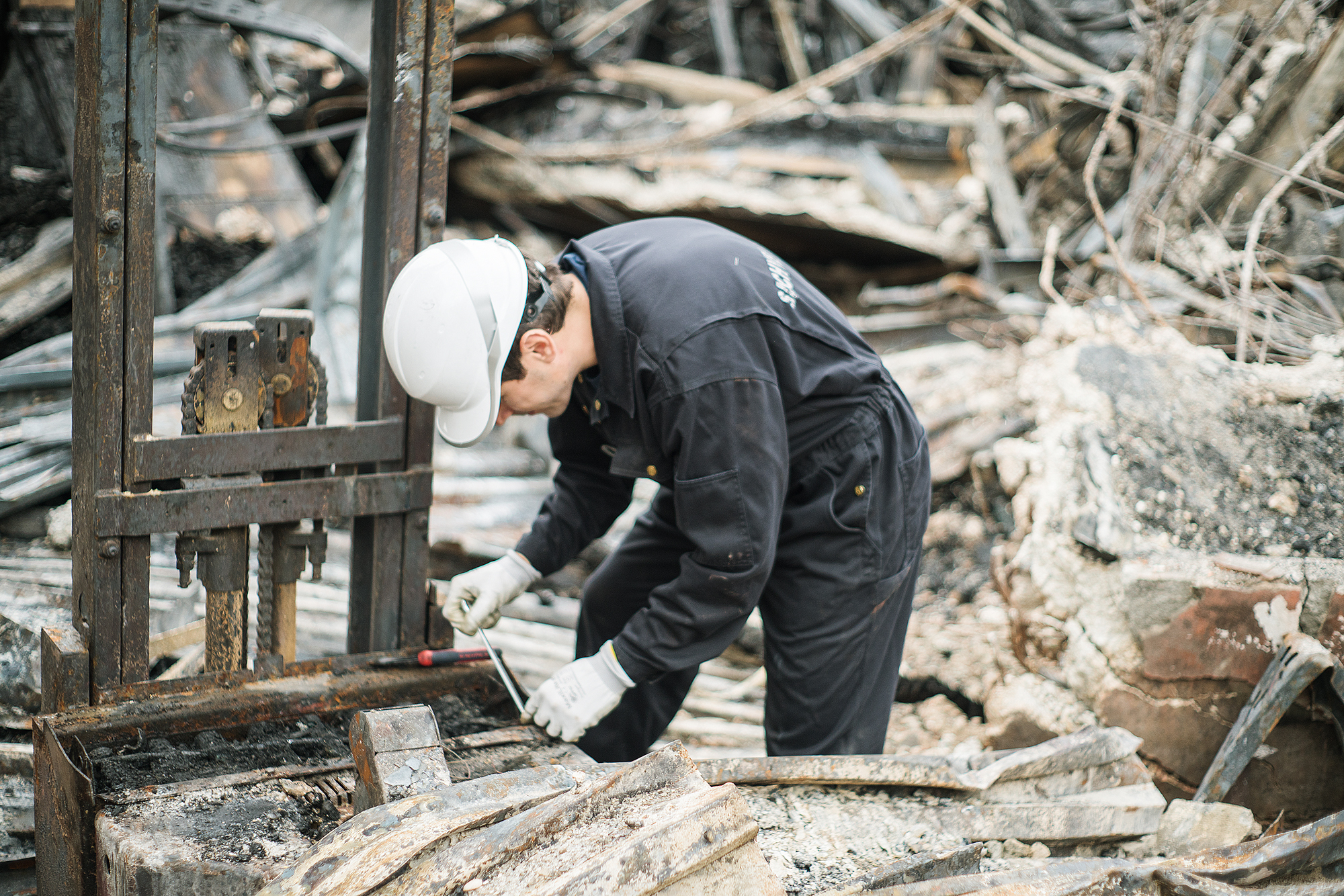

The organizers of Tomorrowland, one of the world’s most prominent electronic dance music festivals, have confirmed that the event will go ahead as planned, even after a significant fire erupted and caused extensive damage to the main stage structure. The announcement comes as a relief to countless festival-goers and the broader music industry, which had been closely monitoring the situation following reports of the destructive blaze. This swift confirmation underscores the resilience and determination of the festival’s operational teams to deliver the highly anticipated experience, despite facing an unforeseen and substantial setback.
The event, taking place mere days ahead of the festival’s debut weekend, caused a major stir worldwide among music enthusiasts. Images of the fire engulfing the detailed main stage spread quickly across social media networks, raising instant worries regarding the event’s viability. The main stage, usually an expansive and intricately crafted focal point designed for the most significant performances and spectacular visuals, is a pivotal element of the Tomorrowland experience. Its obliteration posed a significant hurdle, prompting speculation about whether the entire festival might be delayed or altogether called off.
Nevertheless, following the catastrophic fire, Tomorrowland’s management promptly responded to the issues at hand. Their clear declaration that the festival would continue helped alleviate worries and bolster trust in their capability to handle challenges. This swift and resolved communication approach played a key role in shaping public opinion and providing assurance to attendees, many of whom journey from worldwide locations to experience the famed event. Attention quickly moved away from the calamity to the remarkable measures being implemented to reduce its effect and secure the event’s progression.
While the exact cause of the fire is still under investigation, early reports suggest it originated in a section of the stage’s complex lighting and pyrotechnics system. Such systems, integral to the immersive experience of a festival like Tomorrowland, are incredibly sophisticated and require meticulous setup and maintenance. The fire’s rapid escalation highlighted the inherent risks associated with such large-scale, technically advanced constructions, especially in environments where intricate electrical wiring, flammable materials, and pyrotechnic elements are densely integrated. Emergency services responded promptly, but the intensity of the blaze meant that significant portions of the structure were irrevocably damaged before it could be fully contained.
The decision to press ahead with Tomorrowland, despite the loss of its iconic main stage, speaks volumes about the organizational fortitude and the profound commitment to their audience. Rebuilding or significantly reconfiguring such a massive structure in a matter of days presents an unprecedented logistical and engineering challenge. This involves not only the physical reconstruction or adaptation of the stage but also ensuring that all safety standards are met, sound and lighting systems are fully operational, and the overall aesthetic remains consistent with the festival’s renowned production values. The task at hand is immense, demanding round-the-clock efforts from a dedicated team of engineers, technicians, and crew members.
For those attending, the Tomorrowland main stage represents more than merely a site for performers; it stands as an architectural wonder and an emblem of the event’s imaginative theme. Annually, it is carefully designed to narrate an individual story, frequently featuring complex moving elements, breathtaking visual effects, and cutting-edge technological advancements. The idea of experiencing the festival without this central visual attraction would certainly change the experience for many attendees. Nevertheless, the organizers’ commitment to continue suggests they are considering different setups aimed at preserving the essence and vibrancy of Tomorrowland, even if the main structure cannot be entirely reconstructed on time. This could entail a redesign, utilization of alternative stages, or a heightened emphasis on other festival components to offset the absence.
The economic implications of such an incident are also considerable. The construction of the main stage alone represents a substantial investment, and the costs associated with the fire—including damage, potential liability, and the accelerated efforts to adapt—will be significant. Moreover, the festival attracts hundreds of thousands of visitors, generating substantial revenue for the local economy through tourism, accommodation, and hospitality services. A cancellation would have had far-reaching financial consequences for many stakeholders. Therefore, the decision to proceed is not only a nod to the artistic and cultural importance of the event but also a crucial move to safeguard its economic viability and the livelihoods it supports.
Beyond the logistical and financial challenges, the incident also puts a spotlight on event safety and risk management. Large-scale festivals operate under stringent safety regulations, but incidents like this serve as stark reminders of the inherent unpredictability that can accompany such complex productions. Investigations into the fire will undoubtedly lead to a thorough review of existing safety protocols, construction materials, and emergency response procedures to prevent similar occurrences in the future. The findings from this incident could potentially influence safety standards across the global festival circuit, fostering a safer environment for both performers and attendees.
The unwavering resolve shown by the Tomorrowland organizers in the face of this adversity is a testament to the passion that drives the festival. Their commitment to continuing the event, despite the monumental challenges posed by the fire, resonates with the ethos of resilience often celebrated in live entertainment. It speaks to a deep understanding of the emotional investment that attendees have in the festival, transforming a potential crisis into a story of perseverance and dedication.
As the countdown to the festival’s opening weekend continues, all eyes will be on Tomorrowland to see how they navigate this unprecedented situation. The ability to pivot, adapt, and still deliver a memorable experience will be a defining moment for the festival’s legacy. It’s a powerful narrative about overcoming unforeseen obstacles and demonstrating an unyielding commitment to the audience and the magic of live music.
The festival’s decision ensures that the dream of Tomorrowland will indeed live on, even if its main stage must momentarily take on a new form. This incident, while destructive, has inadvertently highlighted the strength of its spirit and the tenacity of its creators, promising an edition of Tomorrowland that will be remembered not just for its music but for its remarkable triumph over adversity.