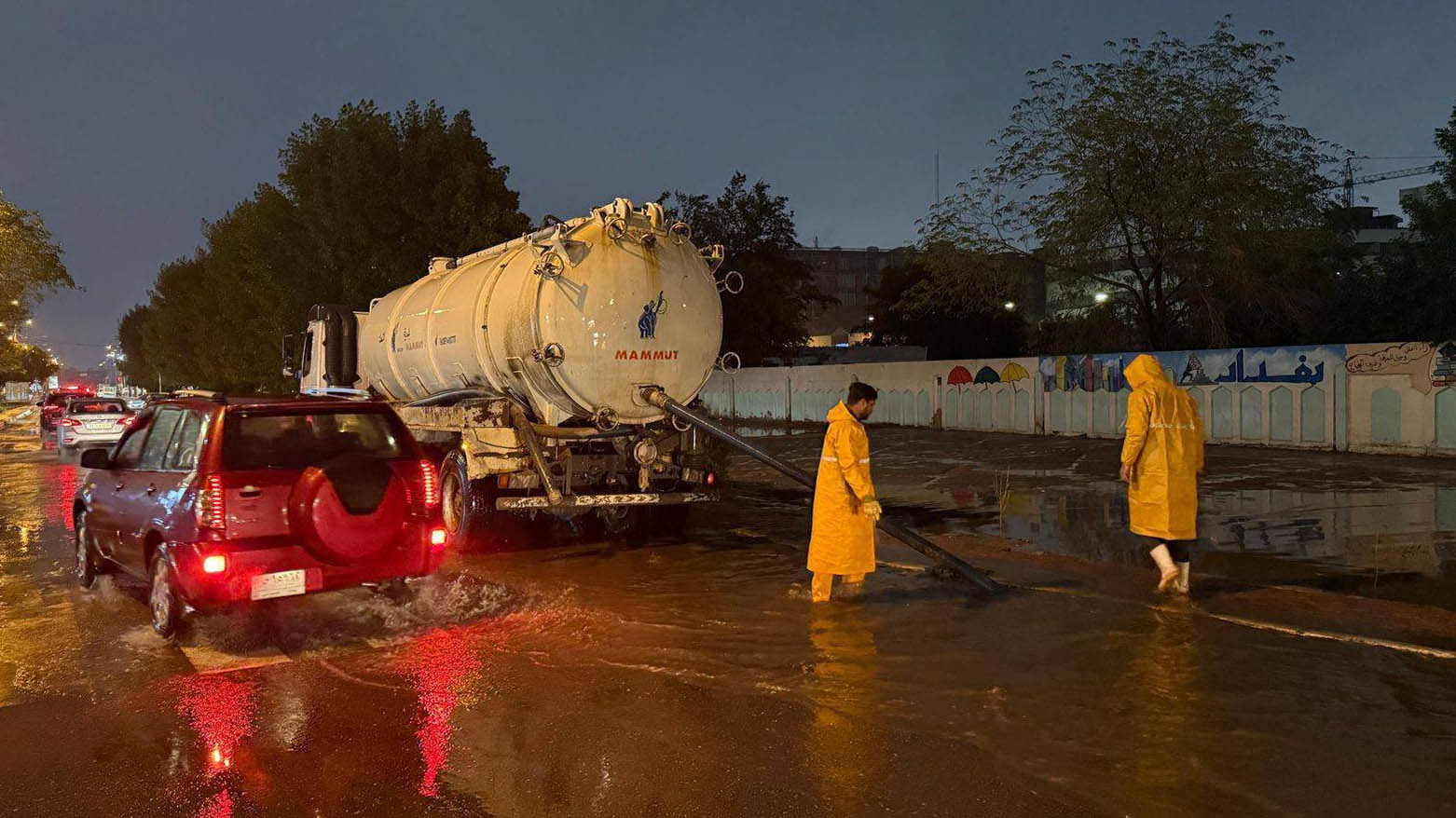

Heavy rainfall surged through areas of New Jersey and New York City, causing abrupt and perilous flash floods that led to the deaths of two individuals and left communities dealing with the consequences. The significant precipitation, which overpowered drainage systems and inundated roads, residences, and transit routes, serves as another reminder of the increasing occurrence and intensity of extreme weather incidents in the northeastern United States.
Emergency services were deployed to numerous sites as water levels surged swiftly, flooding roads, immobilizing drivers in water-logged cars, and compelling some residents to leave their homes. The storm arrived abruptly, surprising many, although weather warnings had been communicated earlier that day. By the evening, officials had verified two deaths—one occurred in New Jersey and one in New York City—both associated with flooding events.
In New Jersey, local officials reported that a person drowned after being caught in rising waters near a residential area. First responders attempted a rescue but were unable to reach the individual in time due to the strength and speed of the current. In New York City, emergency crews found the body of another victim in a flooded basement apartment in Queens—a borough often hit hard during storms due to its low-lying terrain and aging infrastructure.
Both fatalities underscore the rapid deterioration that can occur during sudden floods, showing that even city landscapes can’t resist nature’s power when inundated by water. Meteorologists tracking the weather event noted that the amount of rain that fell in one afternoon was exceptional. Certain areas experienced over three inches of precipitation in merely an hour, far exceeding the capabilities of typical stormwater systems to handle effectively.
New York City’s subway system experienced widespread delays and temporary shutdowns, particularly on lines that run through low-elevation tunnels and stations prone to water intrusion. Commuters faced major disruptions during the evening rush hour, and some stations had to be closed completely while crews worked to pump out water and assess damage. In New Jersey, several roadways, including major highways and bridges, became impassable as floodwaters rose above curbs and onto vehicle roofs.
City and state officials held press briefings urging residents to stay indoors, avoid driving unless absolutely necessary, and heed evacuation advisories when issued. Mayor Eric Adams of New York and Governor Phil Murphy of New Jersey both emphasized the importance of preparedness and expressed condolences to the families affected by the tragedy. They also pledged to review infrastructure vulnerabilities and accelerate efforts to improve flood resilience across the region.
Climate experts point to changing weather patterns as a key factor in the increasing frequency of such extreme events. Warmer atmospheric conditions due to climate change allow air to hold more moisture, resulting in heavier downpours when storms occur. Urban areas with large expanses of concrete and limited green space often suffer the worst consequences, as water runoff has nowhere to go, leading to rapid accumulation and dangerous flash floods.
Communities in both areas are already accustomed to the dangers brought by climate-related disasters. Incidents like Hurricane Ida, Superstorm Sandy, and other recent summer storms have revealed the flaws in stormwater infrastructures, construction regulations, and emergency management plans. Although advancements have been achieved over the last ten years, numerous specialists believe that considerably more funding and forward-thinking strategies are necessary to guarantee protection against upcoming climate hazards.
Residents who experienced flooding during this storm described terrifying scenes of water gushing through basement windows, manhole covers erupting under pressure, and vehicles being swept away. Some recounted being forced to wade through waist-deep water to reach higher ground, while others were rescued by emergency crews using inflatable rafts and high-water vehicles.
Temporary shelters were established to house individuals who were forced to leave their homes due to the flooding. A multitude of families looked for short-term accommodations as the clean-up efforts commenced, and energy companies labored to reinstate electricity to regions affected by storm-induced blackouts. Health authorities released advisories regarding possible pollution in the floodwaters and strongly recommended that individuals steer clear of contact, highlighting worries about bacteria, sewage, and debris.
The financial impact of the storm is still under assessment, but initial figures point to substantial harm to public infrastructure, private assets, and business premises. Entrepreneurs with small businesses in the impacted areas are now dealing with expenses for cleaning up, loss of stock, and business service disruptions, all of which compound the financial pressure already brought on by recent inflation and supply chain issues.
Insurance companies are getting ready for an increase in claims concerning flood damage. Nevertheless, numerous property owners in areas susceptible to flooding might discover they are insufficiently protected, as typical policies frequently omit incidents related to water unless separate flood insurance is acquired. This shortfall in protection has been a source of debate for quite some time, particularly in communities where flooding occurs more frequently, even though they are not labeled as high-risk on obsolete federal maps.
Looking ahead, the storm has reignited debate over how cities and states can adapt more effectively to an evolving climate landscape. Experts recommend a multi-pronged approach that includes upgrading drainage systems, installing more permeable surfaces to absorb rainwater, enhancing emergency communication protocols, and investing in early warning technologies that offer more localized alerts.
In New York and New Jersey, the recollection of previous catastrophes remains vivid, and the recent storm will probably lead to increased demands for changes in policies and updates to infrastructure. With the ongoing effects of climate change on the surroundings, cities must adapt in order to safeguard lives, jobs, and community resources.
The tragic loss of life in this latest event serves as a somber reminder of the stakes involved. As the region recovers, officials, planners, and residents alike are being urged to work together to build resilience not just for the next storm—but for a future where such storms are no longer rare.