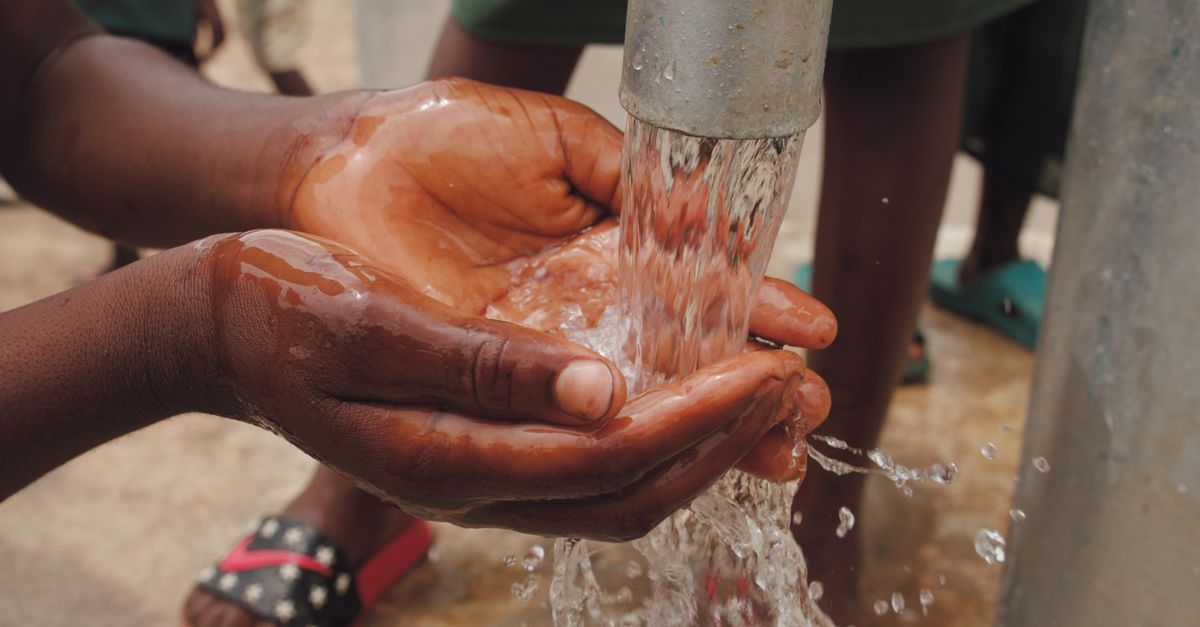

Burkina Faso continues to confront enduring public health issues, as maternal mortality remains elevated by global benchmarks, with recent estimates placing the ratio in the lower hundreds per 100,000 live births (figures differ depending on source and year). Access to safely managed drinking water and essential sanitation varies widely: urban centers enjoy far stronger coverage than rural areas, where numerous health facilities also struggle with inconsistent water and sanitation services. Maternal health is closely tied to the availability of safe water, since clean water, reliable sanitation, and hygiene within both health facilities and communities directly lower infection risks, support healthier birth outcomes, and ensure safer newborn care.
Why corporate social responsibility (CSR) is relevant
Private sector actors operating in Burkina Faso — including mining, telecommunications, agribusiness and beverage companies — have incentives to invest in maternal health and water access. These incentives combine ethical commitments, reputational protection, workforce stability, and the need for a social license to operate. Well-designed CSR programs can complement government and donor efforts by filling service gaps, piloting scalable models, and leveraging private expertise in supply chains, engineering, logistics, and community engagement.
Typical forms of CSR initiatives
- WASH infrastructure: drilling boreholes, installing solar-powered pumps, constructing protected wells, and building latrines at community level and within health centers and maternity wards.
- Health facility upgrades: providing water storage, handwashing stations, reliable electricity for sterilization and lighting, and incinerators for medical waste.
- Human resources and training: sponsoring midwife and nurse training, supporting continuing education, and financing community health worker stipends.
- Maternal health service support: funding ambulance or motorcycle transport schemes for emergency obstetric referrals, supplying delivery kits, and financing blood donation or blood storage solutions.
- Behavior change and community engagement: awareness campaigns on antenatal care, hygienic birth practices, neonatal care, family planning, and gender-sensitive health education.
- Market-based approaches: supporting small local enterprises that provide WASH products, sanitary supplies, or affordable water kiosks, often with microfinance linkages.
- Partnerships and financing: grants, matched funding with NGOs or local government, and multi-stakeholder platforms for pooled investments and risk sharing.
Illustrations and pattern scenarios
- Mining-sector programs: mining companies routinely channel resources into regional infrastructure around their concessions, often blending borehole drilling, electrification for health facilities, and support for emergency transport to cut delays in accessing care. Reviews of comparable mining-driven CSR efforts in the Sahel region have documented clear rises in facility-based births when dependable water systems and transport options are in place.
- Telecom and utilities: telecom operators commonly back awareness initiatives and digital health tools, including SMS reminders for antenatal visits and hotline assistance, while utilities or engineering firms finance the repair of water points and the installation of solar-powered pumping solutions that maintain uninterrupted supplies for clinics.
- Beverage and bottling companies: beverage companies reliant on local water sources frequently invest in watershed conservation, community boreholes, and water purification kiosks, creating opportunities to integrate maternal and child health messaging at distribution points.
- NGO-corporate partnerships: international NGOs with expertise in WASH and reproductive health join forces with private donors to broaden the reach of interventions, combining community engagement and behavior-change capabilities with corporate funding and operational support.
Evidence of impact and quantifiable results
Effective CSR programs report against a set of clear indicators. Typical metrics include:
- Maternal outcomes: skilled birth attendance rate, facility delivery percentage, referral times for obstetric emergencies, and maternal mortality ratio estimates in targeted areas.
- WASH outcomes: number of functional water points installed, proportion of health facilities with basic water services, percentage of households with access to improved sanitation, and incidence of water-related infections among mothers and newborns.
- Service use and equity: antenatal care visit completion (four or more visits), contraceptive uptake, and service access improvements among the poorest quintiles and rural populations.
- Operational indicators: number of staff trained, hours of ambulance availability, and financial sustainability of water kiosks or maintenance funds established.
Publicly accessible evaluations in comparable settings indicate that pairing WASH enhancements in health facilities with community outreach efforts and transportation support often delivers the most substantial gains in facility-based births and lowers the incidence of infection-related complications.
Obstacles and potential hazards
- Maintenance and sustainability: infrastructure projects fail when maintenance systems are not locally institutionalized. Handing over to poorly funded health districts or community committees without clear revenue mechanisms risks rapid deterioration.
- Fragmentation: uncoordinated CSR projects can duplicate services in one locality while leaving others underserved; alignment with district health plans is essential.
- Equity and inclusion: CSR programs can unintentionally favor accessible communities or male-dominated governance structures unless deliberate measures ensure women’s participation and reach remote or marginalized groups.
- Security and operating environment: Burkina Faso’s security situation in some regions complicates implementation, increases costs, and can limit monitoring and evaluation access.
- Measuring health outcomes: attributing changes in maternal mortality to a single CSR program is difficult; more feasible are intermediate indicators like facility deliveries, infection rates, and WASH functionality.
Design principles for high-impact CSR
- Align with national strategies: work in coordination with the Ministry of Health, regional health directorates, and district planning teams to maintain coherence and long-term viability.
- Integrate WASH and maternal health: direct investments so maternity wards and delivery units consistently have access to safe water, sanitation, and essential hygiene supplies.
- Build local capacity: channel resources into training maintenance technicians, midwives, and community health workers, while establishing local funding systems for replacement parts and routine repairs.
- Use data-driven targeting: focus efforts on districts exhibiting the widest disparities in skilled birth attendance and basic water access, and introduce SMART indicators along with initial baseline assessments.
- Plan for long-term financing: blend capital subsidies with income-generating approaches (such as water kiosk fees, community health insurance, or public-private maintenance agreements) to sustain ongoing expenses.
- Foster community ownership and gender equity: involve women’s groups in decision-making, provide strong backing for female health staff, and craft interventions that eliminate obstacles faced by pregnant women.
Policy and partnership opportunities
- Multi-stakeholder platforms: pooled funds that bring together government, donors, NGOs, and a range of corporations can build broader scale and limit fragmentation.
- Performance-based contracts: companies may choose to finance outcomes, such as higher rates of facility deliveries or fewer water outages in facilities, instead of focusing solely on inputs, which helps reinforce long-term service viability.
- Innovation and technology: mobile payments for water kiosk fees, remote supervision of water points, solar-powered systems for lighting and sterilization, and telehealth options for antenatal guidance can broaden reach when combined with local training.
- Local enterprise development: backing micro-enterprises involved in pump upkeep and the distribution of sanitary products generates employment and bolsters local supply chains.
Oversight, assessment and reporting
Comprehensive CSR initiatives often rely on blended monitoring and evaluation methods:
- Quantitative indicators: baseline and periodic surveys of water point functionality, percentage of health facilities with basic WASH, skilled birth attendance, and referral times.
- Qualitative feedback: community focus groups, health worker interviews, and gender audits to assess acceptability and barriers.
- Transparency and public reporting: publishing results, budgets, and lessons learned strengthens accountability and enhances replicability.
Useful guidance for businesses operating in Burkina Faso
- Give preference to comprehensive WASH improvements in health facilities that reach broad catchment areas and face significant maternal health demands.
- Collaborate with trusted NGOs and municipal authorities to blend specialized technical knowledge with sustained oversight.
- Shape interventions with explicit transition plans that cover training, funding for spare parts, and mechanisms for community stewardship.
- Implement monitoring tools featuring publicly validated indicators and support independent assessments to strengthen proof of results.
- Involve women and local leaders from the earliest project stages to promote inclusion and adapt services to cultural realities.
A focused CSR approach in Burkina Faso that combines reliable water supplies for health facilities, investments in transport and emergency referral, and sustained support for frontline health workers can substantially reduce preventable maternal and newborn harm. When private financing is aligned with national priorities, built for local ownership, and measured by outcomes rather than visibility alone, corporate contributions become durable elements of stronger health systems and safer communities.