Nuestro sitio web utiliza cookies para mejorar y personalizar su experiencia y para mostrar anuncios (si los hay). Nuestro sitio web también puede incluir cookies de terceros como Google Adsense, Google Analytics, Youtube. Al utilizar el sitio web, usted acepta el uso de cookies. Hemos actualizado nuestra Política de Privacidad. Haga clic en el botón para consultar nuestra Política de privacidad.

Social Responsibility

Belarus: industrial CSR cases focused on workplace safety and continuous training

Case studies of industrial CSR in Belarus: safety and training

Belarusian industry — encompassing potash and fertilizer production, metallurgy, heavy vehicle manufacturing, oil refining and chemical plants — has developed Corporate Social Responsibility (CSR) practices that increasingly emphasize workplace safety and continuous workforce training. These two pillars are treated both as ethical obligations and as strategic measures to protect assets, maintain export competitiveness, and reduce operational risk.Institutional and regulatory frameworkThe state’s labor protection framework establishes fundamental legal obligations for workplace health and safety, oversight, and incident reporting, and large enterprises function under these rules while addressing competitive pressures from international clients and partners that expect recognized safety management practices and…
Leer más
Burkina Faso: CSR initiatives supporting maternal health and safe water access

Burkina Faso CSR: improving maternal health and safe water access

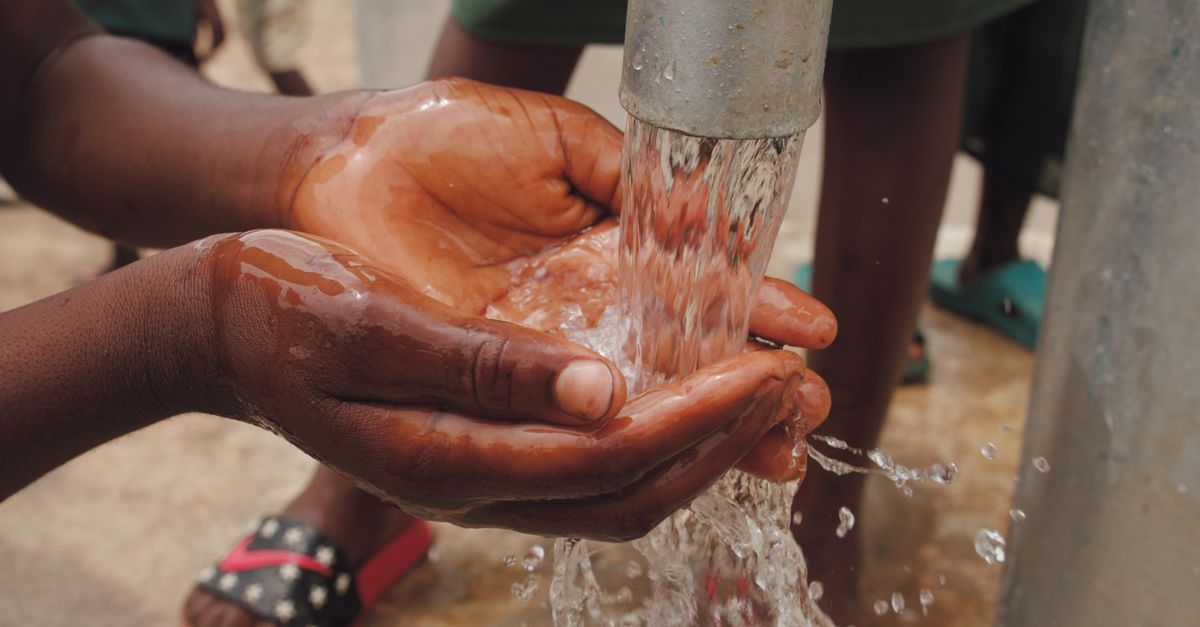
Burkina Faso continues to confront enduring public health issues, as maternal mortality remains elevated by global benchmarks, with recent estimates placing the ratio in the lower hundreds per 100,000 live births (figures differ depending on source and year). Access to safely managed drinking water and essential sanitation varies widely: urban centers enjoy far stronger coverage than rural areas, where numerous health facilities also struggle with inconsistent water and sanitation services. Maternal health is closely tied to the availability of safe water, since clean water, reliable sanitation, and hygiene within both health facilities and communities directly lower infection risks, support healthier…
Leer más
Cómo se fija el precio de la energía en mercados globales

Clean Energy Broadens RNG Footprint With New Stations Positioned on Key Freight Corridors

A mounting effort to cut freight-transport emissions is transforming fuel infrastructure throughout the United States, as new capital flows into options that give fleets a cleaner and more economical substitute for diesel.This broader buildout signals a growing appetite for workable strategies that combine long-term sustainability with solid cost performance.Clean Energy Fuels Corp. revealed a major boost to its renewable natural gas (RNG) fueling network, introducing six newly active stations located along critical freight routes across the United States, with the announcement made at the Advanced Clean Transportation Expo to highlight the company’s ongoing commitment to advancing lower-emission transport options while…
Leer más
The Gambia: agriculture CSR advancing fair value chains and rural training

The Gambia’s agriculture: CSR for equitable value chains & rural education

Agriculture remains at the heart of livelihoods, employment, and food security in The Gambia, a small nation in West Africa where smallholder farmers largely shape the production of staple and cash crops, including groundnuts, rice, millet, maize, vegetables, and fruit. The sector contributes about one quarter of the country’s gross domestic product and underpins most rural employment. As a result, corporate social responsibility (CSR) programs focused on agriculture can yield significant social impact while strengthening supply chains and opening pathways for sustainable commercial growth.What fair value chains mean for Gambian agricultureFair value chains focus on ensuring value is shared fairly,…
Leer más
Gabon: CSR cases supporting forest conservation and sustainable local jobs

Gabon: How CSR Drives Forest Conservation and Local Livelihoods

The forest landscape in Gabon and its related CSR potentialGabon stands among the world’s most densely forested nations, with roughly 80–90% of its territory covered by forests and a notably high share of undisturbed ecosystems throughout the Congo Basin. The country established a network of national parks in the early 2000s and continues to implement policies designed to harmonize resource exploitation with environmental protection. As industries like oil and mining largely drive formal GDP, corporate social responsibility programs offer significant opportunities to direct private-sector investment toward forest preservation while generating sustainable jobs and value chains for rural populations.CSR approaches that…
Leer más
Guinea-Bissau: CSR cases supporting responsible fisheries and food security

Guinea-Bissau: How CSR Supports Sustainable Fisheries & Food Security

Guinea-Bissau’s shoreline and the Bijagós archipelago underpin local livelihoods, cultural traditions, biodiversity and nationwide food security. The sector is largely shaped by small-scale and artisanal fisheries, while marine and estuarine ecosystems remain essential sources of animal protein for coastal populations and a cornerstone of rural economies. Yet the country simultaneously confronts mounting pressure from industrial fleets, illegal, unreported and unregulated (IUU) fishing, the degradation of vital habitats such as mangroves and limitations in governance capacity. Corporate social responsibility (CSR), when it aligns with effective fisheries management and community-driven priorities, can reinforce public and donor initiatives to conserve fish stocks, protect…
Leer más
United States: CSR cases advancing workforce diversity and responsible procurement

United States: Advancing DEI & Responsible Sourcing through CSR

Corporate social responsibility (CSR) in the United States has evolved from a focus on charitable contributions to a broader shift toward integrating social objectives into recruitment, supplier evaluation, and purchasing practices. Growing emphasis on two interconnected priorities — workforce diversity and responsible procurement — increasingly positions them as strategic catalysts for innovation, organizational resilience, and expanded market reach. This article brings together policy context, research findings, concrete examples from corporate and public entities, implementation frameworks, measurable impacts, and actionable guidance for organizations aiming to strengthen both equitable hiring practices and inclusive supply chain development.Why workforce diversity and responsible procurement matterWorkforce…
Leer más
Belize: CSR cases protecting biodiversity and strengthening sustainable local economies

Belize: CSR Strategies for Biodiversity & Sustainable Local Economies

Belize is a small Central American nation endowed with remarkable biodiversity, featuring a coastline that encompasses the approximately 300‑kilometer Belize Barrier Reef Reserve System, wide expanses of mangrove ecosystems, seagrass meadows, and extensive stretches of lowland tropical rainforest. Home to an estimated 400,000–420,000 inhabitants, Belize relies significantly on its marine and terrestrial natural assets, including tourism, fisheries, and agriculture. Corporate social responsibility (CSR) efforts aimed at conserving biodiversity while reinforcing local economic resilience have become vital for safeguarding both the environment and community livelihoods.Why CSR matters in BelizePrivate-sector engagement is essential because:Natural assets such as reefs, mangroves, and forests play…
Leer más
Cambodia: manufacturing CSR focused on worker well-being and literacy programs

Cambodia: Manufacturing CSR Driving Worker Well-being and Literacy

Cambodia’s manufacturing sector, largely centered on garments, footwear, and light assembly, has long powered the country’s export‑driven expansion and job creation. Employing hundreds of thousands of people—most of them women—it contributes a significant portion of national export revenue. In recent years, evolving global buyer standards, domestic labor reforms, and international oversight initiatives have encouraged many firms and brands to shift from basic regulatory compliance toward more forward‑looking CSR efforts that support worker well‑being and literacy. This article explores the reasoning, supporting evidence, program frameworks, obstacles, and actionable guidance for implementing effective CSR in Cambodian manufacturing, illustrating key points through examples…
Leer más
Austria: manufacturing CSR prioritizing circular economy practices and worker well-being

Austria’s Manufacturing CSR: Prioritizing Circularity & Employee Welfare

Austria’s manufacturing sector has long combined engineering excellence with social responsibility. In recent years corporate social responsibility (CSR) strategies in Austria have shifted from isolated environmental or philanthropic projects to integrated models that couple circular economy practices with explicit commitments to worker well-being. The result is a distinctive approach: firms pursue material and energy efficiency, reuse and remanufacturing, and product stewardship while strengthening occupational safety, training, and social dialogue.Key regulatory and policy forcesStrong European and national frameworks guide corporate efforts:European Green Deal and Circular Economy Action Plan: encourage producers to prioritize recyclable design, broader producer responsibility, and sustained material reuse.Corporate…
Leer más